
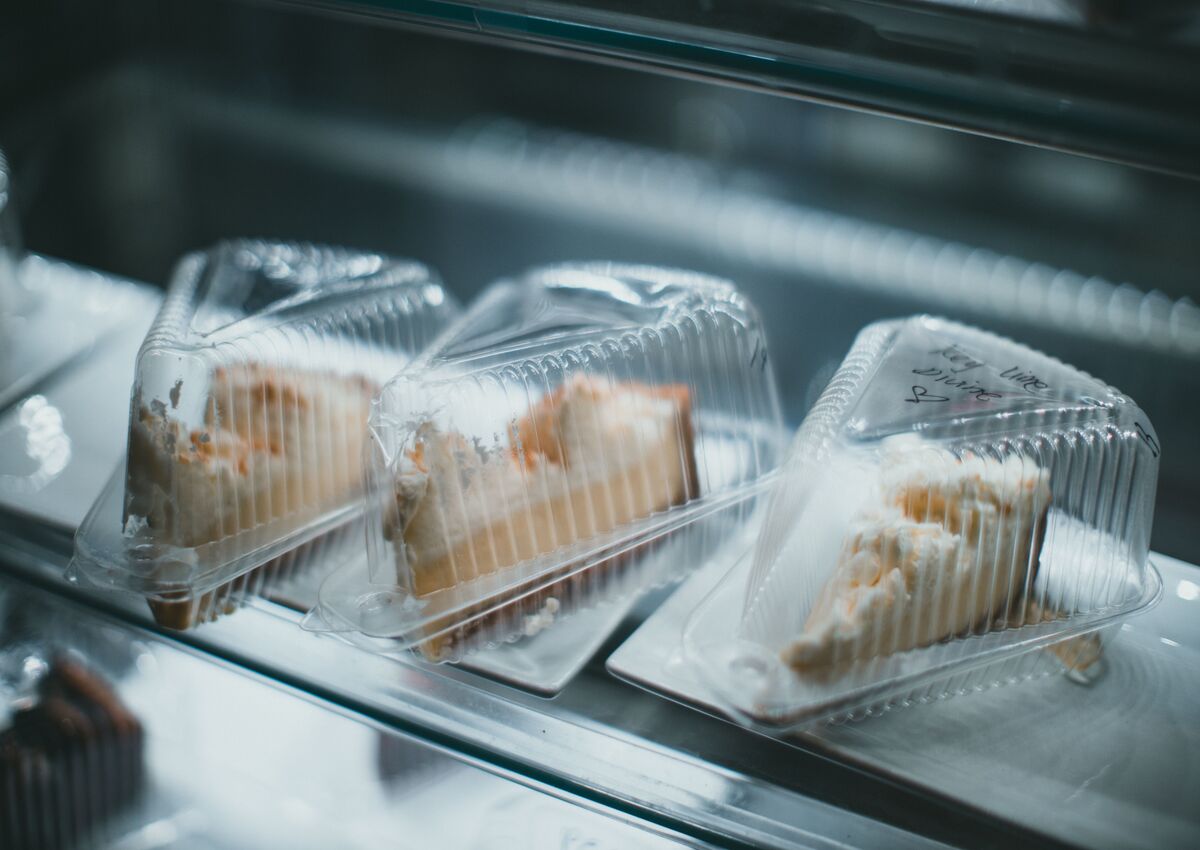

Takeaway desserts are no longer judged only by flavor. Customers also notice how the product arrives, how easy it is to carry, and whether the presentation feels worth the price. Packaging becomes part of the dining experience because it shapes expectations before the first bite.
For bakeries, cafés, restaurants, and dessert brands, the right package can protect delicate products, strengthen brand recognition, and encourage customers to order again.
First Impressions Begin Before the Box Is Opened
A customer forms an opinion as soon as the package is handed over. A clean, well-structured box suggests that the business pays attention to quality, while a weak or poorly fitted package can make even an excellent dessert feel less valuable.
Color, texture, shape, and opening style all contribute to this impression. A matte surface may create a refined look, while a bright printed design can make the dessert feel playful and suitable for celebrations.
Premium packaging is especially important for products such as macarons, handmade chocolates, small cakes, pastries, and afternoon tea sets. These items are often purchased as gifts, so the package needs to look presentable without additional wrapping.
Protection Directly Affects Product Satisfaction
Desserts can be easily damaged during transport. Frosting may touch the lid, cookies can break, and chocolates may shift if the internal space is not designed correctly.
A well-planned package keeps each product in place and reduces movement during delivery. Inserts, dividers, trays, and fitted compartments can protect different flavors while maintaining a neat arrangement.
Businesses should also consider moisture, grease, and temperature. Some desserts need coated paper, food-safe liners, or ventilation to prevent condensation. The structure must match the product rather than relying on one box style for every order.
For larger gift sets or seasonal collections, a custom collapsible box can provide a premium appearance while saving storage space before use. This can be useful for brands that handle limited-edition promotions but do not want bulky packaging to occupy valuable stockroom space.
Convenience Shapes the Takeaway Experience
Customers expect takeaway packaging to be easy to carry, open, close, and store. A box that feels awkward or unstable can create frustration, especially when several items are transported together.
Handles, secure closures, and balanced dimensions improve usability. The package should also allow customers to remove the dessert without damaging its decoration or making a mess.
Resealable structures can add value when the dessert is intended for sharing or eating over several occasions. A box that remains attractive after opening may also be reused, extending the brand’s presence in the customer’s home.
Packaging Supports Menu Positioning
The same dessert can appear ordinary or premium depending on how it is presented. A simple cookie in a basic bag may be viewed as a quick snack, while a carefully arranged cookie assortment in a sturdy gift box can support a much higher selling price.
This makes packaging an important part of menu planning. Restaurants and cafés can create separate presentation levels for individual takeaway items, sharing boxes, holiday collections, and corporate gifts.
Packaging can also help distinguish signature products. A recognizable box shape or opening method gives customers something memorable and makes the item easier to identify in photographs and social media posts.
Branding Continues After the Customer Leaves
Takeaway packaging travels beyond the restaurant. It may appear in offices, homes, parties, or online photos, giving the brand additional visibility.
Logos and printed graphics are useful, but branding does not need to be excessive. Consistent materials, colors, ribbons, tissue paper, or internal messages can create a recognizable identity without making the package look crowded.
Working with a custom rigid box manufacturer can help food businesses align box dimensions, inserts, printing, and finishing with specific dessert products. This is particularly valuable when standard packaging does not provide enough protection or does not match the desired brand position.
Sustainability Influences Customer Perception
Many customers now pay attention to excess packaging and difficult-to-recycle materials. An oversized box with unnecessary plastic may reduce the positive impression created by the dessert.
Businesses can improve the experience by choosing recyclable paperboard, paper inserts, reusable structures, and appropriately sized packaging. Clear disposal instructions can also help customers handle the package responsibly.
Sustainability should not compromise product protection. A damaged dessert creates waste as well, so the best solution balances material reduction with reliable performance.
Packaging Can Encourage Repeat Purchases
Memorable packaging gives customers another reason to return. A dessert that arrives safely, looks attractive, and feels convenient is more likely to be recommended or purchased as a gift.
Brands can also use packaging to support seasonal launches, loyalty campaigns, and limited menu items. Small design changes can make familiar desserts feel new without changing the recipe itself.
Conclusion
Dessert packaging influences far more than transportation. It affects first impressions, product condition, convenience, perceived value, branding, and sustainability.
For takeaway businesses, packaging should be treated as part of the menu experience rather than an afterthought. When the structure, appearance, and materials match the dessert, customers receive a product that feels complete from purchase to final bite.


[…] best premium dessert packaging usually sits somewhere in the middle: attractive enough to feel special, practical enough to use […]