
Fresh food begins to lose quality as soon as it is harvested, processed, or prepared. Heat speeds up microbial growth, moisture loss, oxidation, and texture changes, which can shorten shelf life and increase waste. For restaurants, supermarkets, food processors, and distributors, stable low-temperature storage is therefore an important part of daily food safety and inventory control.
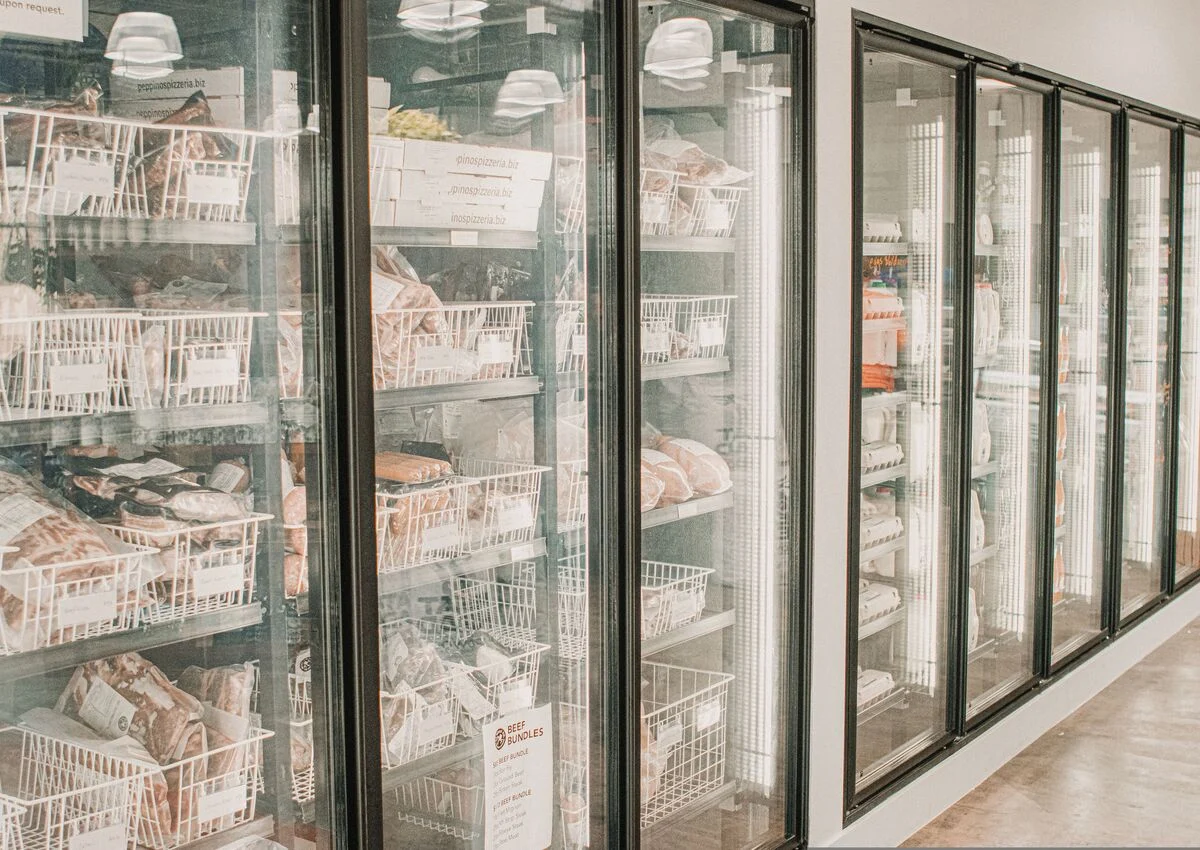
A well-designed chiller room helps keep products at a consistent temperature while allowing staff to organize, inspect, and move food efficiently. Unlike small refrigerators, it can hold larger volumes and support different storage zones for meat, dairy products, fruits, vegetables, beverages, sauces, and prepared ingredients.
Why Temperature Stability Matters
Food quality depends not only on reaching a low temperature but also on maintaining it. Frequent temperature changes can cause condensation, surface drying, color loss, and faster spoilage. Sensitive products such as fresh meat, seafood, milk, cheese, leafy vegetables, and desserts may show quality problems quickly when storage conditions fluctuate.
Stable cooling slows many biological and chemical reactions. It can help preserve texture, reduce odor transfer, maintain natural color, and support a more predictable shelf life. This gives food businesses more time to sell, process, or distribute products before quality declines.
Different Foods Need Different Conditions
Not every food should be stored in the same environment. Fresh meat and seafood usually require colder conditions than many fruits and vegetables. Dairy products need consistent cooling and clean storage, while some produce items may be damaged by temperatures that are too low.
Humidity is also important. Low humidity can dry out vegetables, cheese, and uncovered prepared foods. Excessive humidity may create condensation and encourage mold growth. Air circulation must be balanced so that cold air reaches all areas without blowing directly onto sensitive products.
For this reason, food businesses should group products by temperature range, moisture needs, odor sensitivity, and turnover speed. Raw and cooked foods should be separated, and strong-smelling items should not be stored beside products that easily absorb odors.
Better Storage Supports Food Safety
Cold storage does not replace hygiene, but it strengthens a complete food safety system. Floors, walls, shelves, doors, and drainage areas should be easy to clean. Staff should follow clear rules for receiving, labeling, rotating, and removing products.
The first-in, first-out method helps reduce expired stock. Date labels make it easier to identify products that should be used first. Regular temperature checks can reveal door problems, overloading, blocked airflow, or equipment faults before food is affected.
Door-opening time should also be controlled. Every long opening allows warm, humid air to enter, increasing the cooling load and creating possible condensation. Self-closing doors, strip curtains, organized shelving, and clear picking routes can improve daily efficiency.
Storage Design Affects Daily Operation
A practical food storage area should match the available space, product volume, staff workflow, and delivery schedule. Shelves need enough clearance for airflow and cleaning. Aisles should allow workers to move safely without damaging packages or blocking evaporators.
Lighting should be bright enough for inspection but produce minimal heat. Non-slip flooring improves safety in wet environments. Insulated panels and well-sealed doors reduce energy loss, while correctly sized refrigeration equipment avoids unstable operation.
Businesses should also consider future growth. A storage system designed only for current demand may become crowded as sales increase. Overloading reduces airflow and makes stock control more difficult. Planning extra capacity can support seasonal peaks and business expansion.
Energy Efficiency and Cost Control
Cooling is often one of the largest energy users in a food facility. Energy performance depends on insulation quality, door sealing, equipment selection, room loading, operating temperature, and maintenance.
Setting the temperature lower than necessary does not always improve food quality. It may increase electricity use and create freezing damage for some products. The correct setting should follow the needs of the stored food rather than a single rule for every item.
Routine maintenance is equally important. Dirty condensers, iced evaporators, damaged door gaskets, and refrigerant problems can reduce cooling efficiency. Regular inspection helps maintain stable performance and can prevent sudden product loss.
Choosing the Right Storage Solution
Before purchasing equipment, food businesses should calculate daily storage volume, product types, target temperature, loading frequency, and available floor space. They should also consider local climate, installation conditions, sanitation requirements, and access for maintenance.
A reliable cold room manufacturer should be able to recommend suitable insulation thickness, refrigeration capacity, door structure, shelving layout, drainage, and control options based on the actual application. The best solution is not simply the largest system, but one that maintains stable conditions while supporting efficient food handling.
Conclusion
Temperature-controlled storage plays a direct role in food freshness, safety, and profitability. When products are stored under suitable conditions, businesses can reduce spoilage, improve stock rotation, protect product quality, and operate more efficiently.
Good results depend on more than cooling equipment alone. Proper layout, hygiene, airflow, humidity control, staff procedures, and regular maintenance all work together to protect food from receiving to final use.