
You can usually feel the difference between a dental visit that helps and one that leaves you guarded. If you have ever sat in the chair waiting for bad news, watching small concerns turn into bigger and more expensive treatment plans, that tension makes sense. People do not lose trust in one moment. It often happens slowly, when care feels reactive, rushed, or hard to understand, including when discussing options like laser gum treatment Coral Springs.
Why preventive dentistry builds trust between dentist and patient comes down to something simple. Prevention changes the relationship from crisis management to steady care. When your dentist helps you avoid pain, explains what is happening before it becomes serious, and gives you choices you can actually use at home, trust has room to grow. A good preventive dental care and patient trust experience feels less like being sold treatment and more like being supported.
Preventive dentistry turns appointments into conversations
When dental care starts only after something hurts, the entire visit can feel loaded. You are worried about cost, the dentist is focused on repair, and neither side has much time to build confidence. That is where trust often strains. You may wonder whether every X-ray, filling, or follow-up is truly needed, especially if no one has explained the bigger picture.
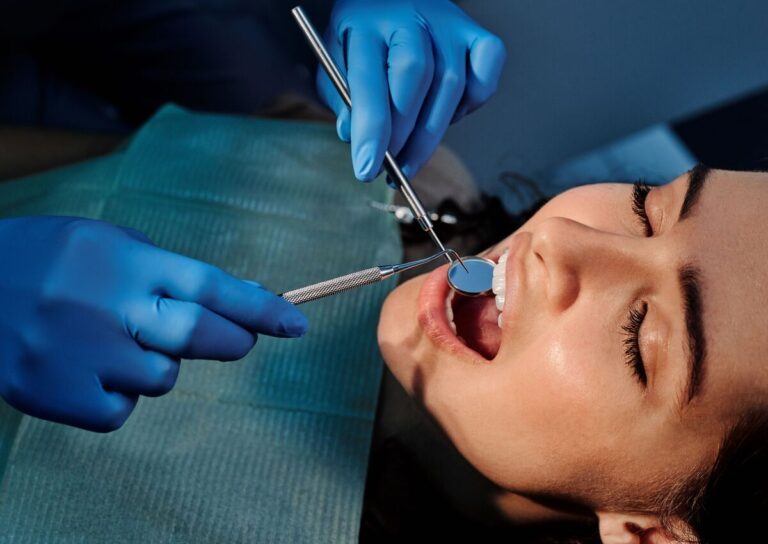
Preventive care changes that pattern. Cleanings, exams, oral cancer screenings, fluoride treatments, and early cavity checks create regular contact when you are not in the middle of a problem. Those visits give your dentist the chance to notice small changes, track patterns, and explain what they see in plain language. You get more than a quick polish. You get context.
That matters because trust rarely comes from technical skill alone. It comes from being heard, from having your questions answered without feeling brushed aside, and from seeing that your dentist is trying to protect your time, comfort, and budget. A general dentist who focuses on prevention is often showing you their priorities before a drill ever comes out.
Early care reduces fear, cost, and second-guessing
Small problems are easier on every level. A tiny area of enamel wear may need monitoring and home care changes. Left alone, it can turn into decay, sensitivity, and a filling. Gum irritation may improve with better brushing technique and a professional cleaning. Ignored for months, it can move toward deeper gum disease. The issue is not only oral health. It is the emotional weight that builds when preventable problems keep becoming emergencies.
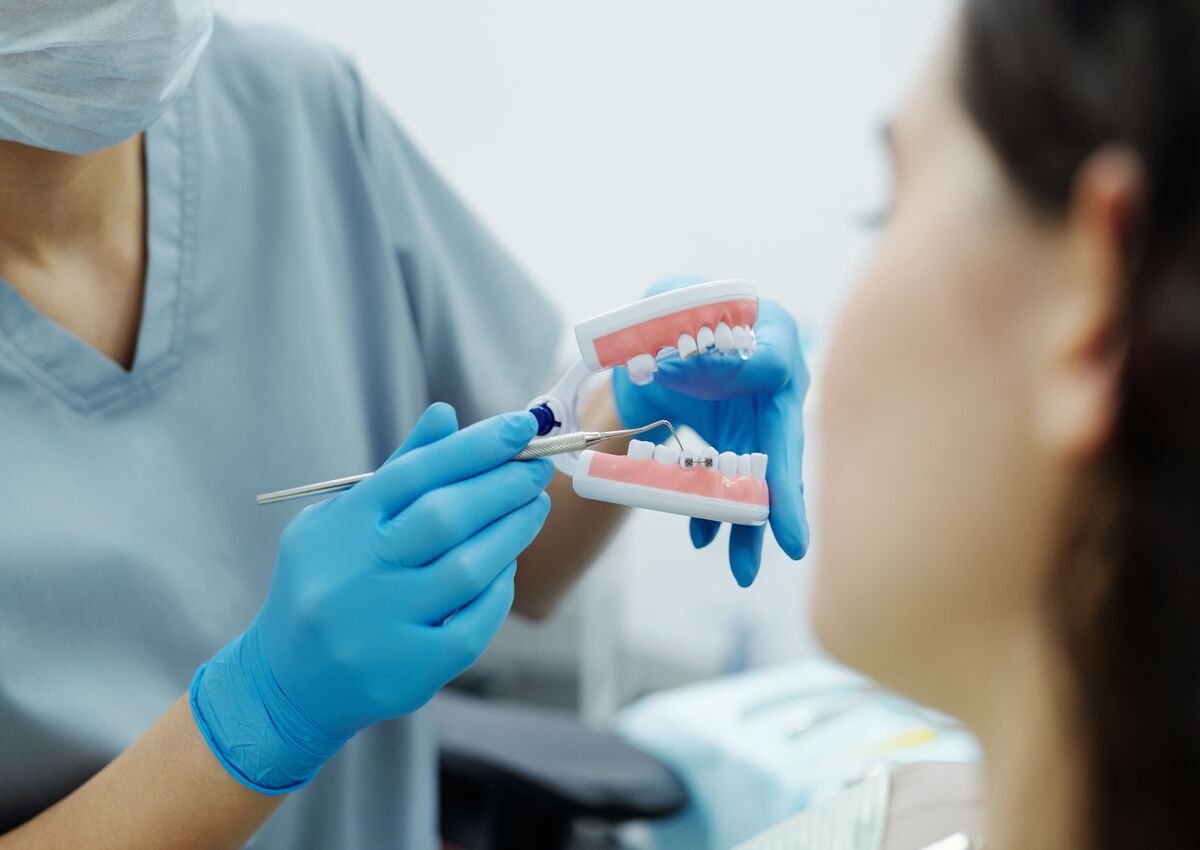
You may have had that moment where a simple checkup became a long list of treatment recommendations. Even if the advice is sound, it can feel overwhelming. Prevention lowers the chance of that shock. It also helps you see the logic behind care. If your dentist has shown you plaque buildup over time, explained your brushing pattern, and reviewed risk factors like dry mouth or diet, treatment recommendations feel connected to evidence instead of surprise.
That transparency supports shared decision-making. The Agency for Healthcare Research and Quality explains shared decision making as a process where clinicians and patients work together using the best available information and the patient’s preferences. In dentistry, that means you are not passive. You understand your options, the likely outcomes, and what fits your life.
Preventive dental care creates consistency you can rely on
Consistency is one of the clearest signs of trust. You know what to expect when you walk in. The team reviews changes in your health, checks areas they have been watching, and follows through on advice from the last visit. That steady pattern tells you your care is not random.
Building trust through preventive dental care also depends on honesty about habits and risk. Maybe you clench your teeth at night, skip flossing when life gets busy, or sip sports drinks through the day. A dentist who responds with practical guidance instead of shame makes it easier for you to be candid. Better information leads to better care, and that cycle strengthens the relationship over time.
The same is true for home care. The National Institute of Dental and Craniofacial Research offers clear guidance on oral hygiene habits that support healthy teeth and gums. When your dentist reinforces those basics and personalizes them to your needs, prevention stops being generic advice and starts feeling useful.
Preventive dentistry versus reactive care
| Approach | What it often looks like | Impact on trust | Likely cost pattern |
|---|---|---|---|
| Preventive dentistry | Regular exams, cleanings, early monitoring, home care coaching | Builds confidence through predictability, education, and fewer surprises | Lower routine costs, fewer large unexpected bills |
| Reactive care | Visits mainly when pain, swelling, or visible damage appears | Can create stress, doubt, and a sense that treatment is always urgent | Higher chance of larger procedures and sudden expenses |
| DIY only | Brushing and flossing at home without regular professional exams | May feel independent, but hidden problems can go unnoticed | Lower short-term spending, higher risk of delayed treatment costs |
This is where the value of preventive dentistry becomes practical, not abstract. Home care matters, but it cannot replace trained eyes, imaging when needed, or professional cleaning below the areas you can easily reach. A general dentist uses prevention to catch change early and keep your care grounded in facts.
Three steps that strengthen trust right away
- Ask for the why behind every recommendation. If your dentist suggests fluoride, X-rays, a night guard, or more frequent cleanings, ask what they are seeing and what problem the step is meant to prevent. Clear answers build confidence. Vague answers do the opposite.
- Share your real habits and concerns. Say if you grind your teeth, avoid flossing, feel nervous about pain, or need to work within a budget. That honesty gives your dentist a full picture and makes prevention more tailored and realistic.
- Track patterns, not just problems. Pay attention to bleeding gums, sensitivity, bad breath, dry mouth, or jaw tension. Bring those details to your next visit. Preventive care works best when small changes are discussed before they become bigger treatment needs.
Trust grows when care feels protective, not reactive
The best dental relationships do not depend on perfect teeth or perfect habits. They depend on steady care, clear explanations, and the sense that your dentist is helping you avoid trouble rather than simply treating it after the fact. That is the heart of patient trust in dentistry. Prevention makes room for honesty, planning, and fewer painful surprises.
If you are looking for a general dentist, choose one who treats preventive care as the foundation of the relationship. That approach protects more than your smile. It protects your confidence every time you sit in the chair.