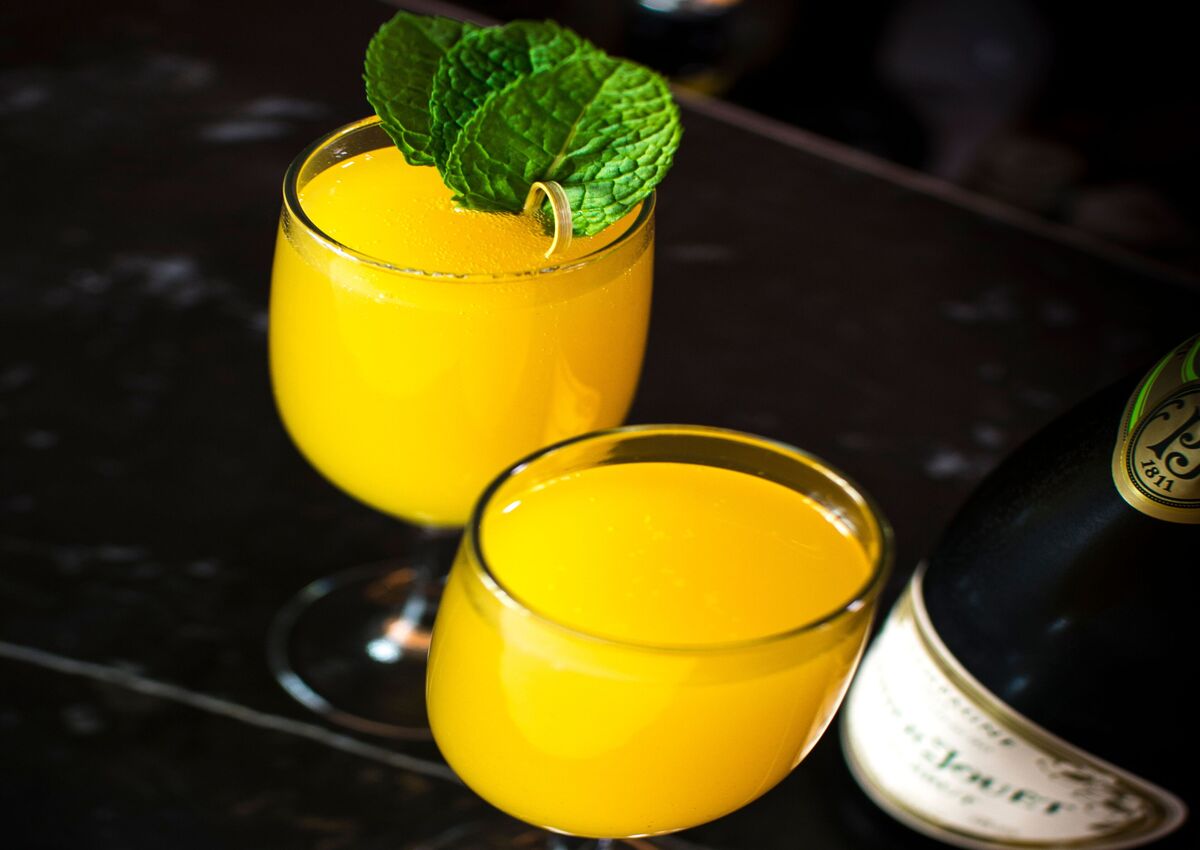

Ordering a mimosa with brunch feels like such a standard weekend ritual that most people never stop to wonder whether there’s actually a rule about it. But alcohol service hours are regulated at the state and sometimes municipal level in the U.S., and those rules vary enough that a mimosa that’s no problem in one city might not legally be served at the same hour just across a state line.
Why Alcohol Service Has Time Restrictions at All
Alcohol sales in the U.S. are governed primarily by state Alcohol Beverage Control (ABC) laws, a regulatory framework that dates back to the repeal of Prohibition in 1933, when the 21st Amendment gave individual states authority to regulate alcohol within their borders rather than establishing a single federal standard. That’s the root reason rules differ so much from state to state; there’s no single national policy on when alcohol can be served, only a patchwork of state-level decisions.
How Sunday Service Rules Have Changed
Historically, “blue laws” regulations restricting commercial activity on Sundays, including alcohol sales, meant many states didn’t allow alcohol service until noon or later on Sundays specifically, a rule that directly conflicted with the entire concept of Sunday brunch mimosas. Over the past decade, however, most states have relaxed or eliminated these restrictions.
North Carolina, for example, changed its law in 2017 to allow restaurants and bars to serve alcohol starting at 10 a.m. on Sundays, down from the previous noon start time, a shift that was specifically driven by restaurant industry advocacy tied to weekend brunch service.
What Varies State to State Today
Even with most blue laws relaxed, meaningful differences remain:
- Start times still differ. Some states allow alcohol service as early as 6 or 7 a.m. any day of the week, while others maintain later start times, particularly on Sundays.
- License types matter. A restaurant’s specific liquor license type can affect what it’s permitted to serve and when — a beer-and-wine-only license behaves differently than a full liquor license when it comes to mimosas, since these often involve champagne or sparkling wine.
- Local ordinances can be stricter than state law. Some municipalities impose their own additional restrictions on top of state rules, so a state-level start time isn’t automatically guaranteed everywhere within that state.
- “Bottomless” mimosa promotions face separate scrutiny. Many states regulate unlimited-drink specials distinctly from standard per-drink sales, sometimes requiring a time limit, a food purchase requirement, or a cap on total drinks served, due to over-service concerns.
Why This Matters for Diners, Not Just Restaurants
Most diners never think about this until they show up early for a brunch reservation and are told alcohol service doesn’t start until a specific time. Restaurants aren’t being arbitrary in these cases — they’re operating within a legal window they don’t control, and staff who explain a delay are following the law, not restaurant policy alone. Understanding that the restriction is regulatory, not a house rule, tends to make the wait less frustrating when it does come up.
How Restaurants Navigate These Rules in Practice
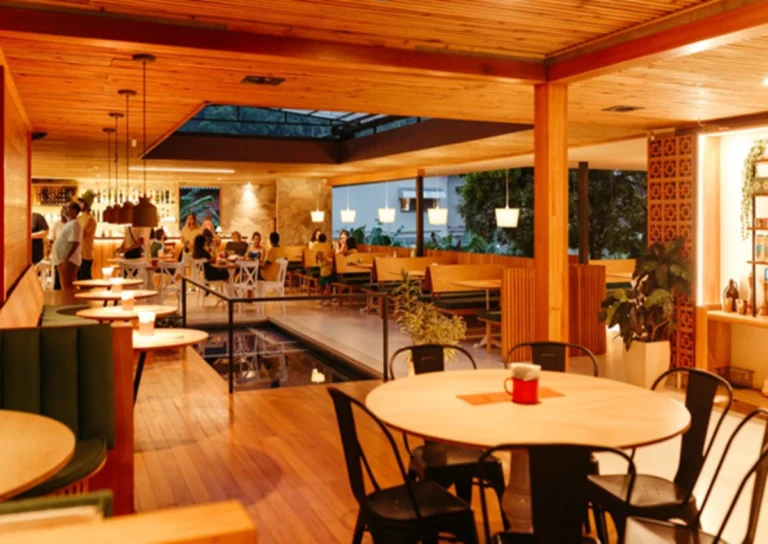
Restaurants serving weekend brunch typically plan cocktail menus and service hours around whatever start time their state and local jurisdiction allow, adjusting staffing and prep accordingly. Dean Kessel, franchise owner of Famous Toastery in Cary, has spoken about running one of the chain’s highest-volume weekend brunch locations, where cocktail service, including the mimosa cary nc menu offers alongside other brunch cocktails, is timed around North Carolina’s current alcohol service regulations, which is a useful real-world example of how these state rules shape actual weekend service.
What to Check Before Planning a Brunch Outing
Anyone planning an early brunch specifically to enjoy a mimosa or Bloody Mary should check the specific restaurant’s alcohol service start time in advance, particularly for reservations before 10 a.m., rather than assuming a standard time applies everywhere. This is especially relevant when traveling to a different state, since assumptions based on home-state rules don’t necessarily carry over.
- Related Post: Why Fruit Juice Still Matters in a Balanced Diet
The Bottom Line
The rules around when a restaurant can legally serve a mimosa trace back to decades-old state alcohol regulations that have only recently been updated to better match how people actually eat brunch. While most restrictive Sunday-specific rules have loosened in recent years, meaningful state-to-state and even city-to-city variation remains, which is why an early brunch reservation is worth double-checking if a cocktail is part of the plan.