
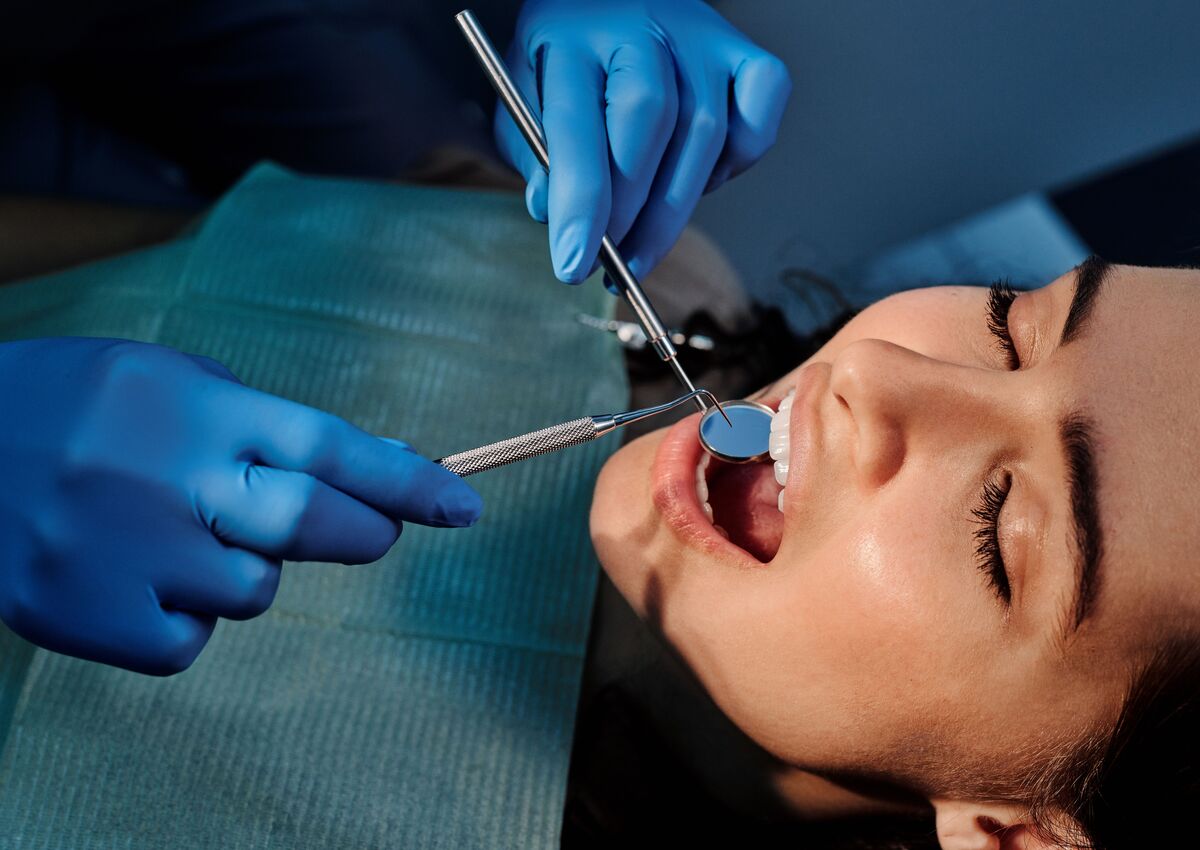

You usually do not think much about a tooth until it starts to hurt. Then the timing is awful, the cost feels unfair, and the fix is rarely simple. A small cavity turns into a filling, a cracked tooth needs a crown, and gum irritation becomes treatment you did not plan for, which is why seeing a downtown Toronto dentist early can help. That is the hard truth behind dental care. Problems that seem minor early often become expensive, painful, and time-consuming later.
Why preventive dentistry offers more value than corrective care comes down to one simple idea. It is cheaper and easier to stop disease than to rebuild damage after it spreads. Regular cleanings, exams, fluoride, good home care, and early treatment protect more than your teeth. They protect your schedule, your budget, and your peace of mind.
Preventive dental care stops small problems before they grow
Most dental disease starts quietly. Tooth decay does not announce itself right away, and gum disease can build for months without obvious pain. By the time you notice sensitivity when drinking something cold or a sharp ache while chewing, the issue may already be deeper than you expected.
The Centers for Disease Control and Prevention explains that cavities are one of the most common chronic conditions, and that decay happens when bacteria in the mouth produce acid that damages tooth enamel. You can read more from the CDC on cavities and tooth decay. That process does not begin with a dental emergency. It begins with plaque, sugar, time, and missed chances to catch early damage.
This is where prevention earns its value. A routine dental visit can spot enamel wear, early decay, gum inflammation, grinding, and small fractures before they become major repairs. A cleaning removes buildup that brushing alone often misses, especially around the gumline and between teeth. That means fewer surprises and fewer moments where you are forced into treatment because waiting is no longer an option.
Corrective care costs more because damage rarely stays contained
Once a tooth is damaged, the goal changes. Prevention is about preserving what is healthy. Corrective care is about repairing what has already been lost. Repair is usually more expensive because it involves more time, more materials, and more follow-up.
A tiny cavity may need a simple filling. Ignore it, and decay can reach the inner tooth, leading to a root canal and crown. Put that off too long, and extraction may be the only path left, followed by an implant, bridge, or denture. One missed cleaning does not guarantee that chain of events, but this is how dental bills grow. The original problem was small. The delay made it bigger.
The National Institutes of Health notes that untreated tooth decay can lead to pain, infection, trouble eating, and tooth loss. Their page on tooth decay lays out how preventable this process often is. If you have ever needed urgent dental treatment, you already know the hidden costs too. Time off work. Trouble sleeping. Eating on one side of your mouth. That low-level stress that follows you through the day.
Preventive oral health care has a steady rhythm. Corrective care often arrives all at once, and it tends to do so at the worst time.
General dentist visits protect both oral health and daily life
A general dentist does more than clean teeth. Regular visits create a record of what is changing in your mouth over time. That matters because patterns tell a story. Gums that bleed more than they used to, new wear on the back teeth, repeated cavities in the same area, dry mouth caused by medication- these details help shape early treatment that is smaller and more affordable.
You may brush twice a day and still miss areas where plaque hardens into tartar. You may floss most nights and still clench your teeth in your sleep. You may feel fine and still have a cavity forming between two teeth. Prevention is not about blaming you for being imperfect. It is about accepting that even good habits have limits, and professional care fills the gaps.
| Preventive Approach | Typical Time and Cost Impact | Corrective Outcome if Delayed |
|---|---|---|
| Routine exam and cleaning | Short scheduled visit, lower predictable cost | Missed decay or gum disease that later needs more treatment |
| Early cavity filling | Usually faster and less expensive than major repair | Root canal and crown if decay reaches the pulp |
| Fluoride and home care guidance | Low effort, supports enamel strength | Higher risk of new cavities and sensitivity |
| Night guard for grinding | Prevents wear and cracks over time | Broken teeth, jaw pain, larger restorations |
| Early gum treatment | Helps control inflammation before damage deepens | Advanced periodontal care, bone loss, tooth mobility |
Preventive dentistry gives you more control over cost and comfort
Control matters. People put off dental visits for all kinds of reasons: cost, fear, packed schedules, bad past experiences. That is real. The problem is that delay often hands control to the disease. Instead of choosing a time for a checkup, you are reacting to pain. Instead of planning for a basic visit, you are trying to manage an urgent procedure.
This is why many people find that preventive care feels less stressful in the long run. The appointments are more predictable. The decisions are less rushed. The treatment is often less invasive. Even if you need work, catching it early usually gives you more options and better odds of keeping the tooth healthy.
Three practical steps to make preventive care work for you
- Schedule care before symptoms force the issue. Do not wait for pain to tell you something is wrong. Set your next exam and cleaning on a regular cycle recommended by your dentist, especially if you have a history of cavities, gum disease, dry mouth, or grinding.
- Treat small findings as worth fixing. If your dentist points out early decay, inflamed gums, or signs of wear, handle it while the problem is still contained. Small treatment today often prevents larger treatment later.
- Tighten up your home routine where it matters most. Brush with fluoride toothpaste, clean between teeth every day, and cut down on frequent sugary snacks and drinks. Consistency beats perfection. A few steady habits do more for your mouth than occasional bursts of effort.
Long-term dental value comes from prevention, not repair
The better investment is the one that helps you avoid damage in the first place. That is the real value of preventive dentistry. It protects your teeth, lowers the chance of painful surprises, and keeps treatment smaller when problems do appear. If you have been putting off a visit, start there. A trusted general dentist can help you catch issues early and keep your care manageable.