
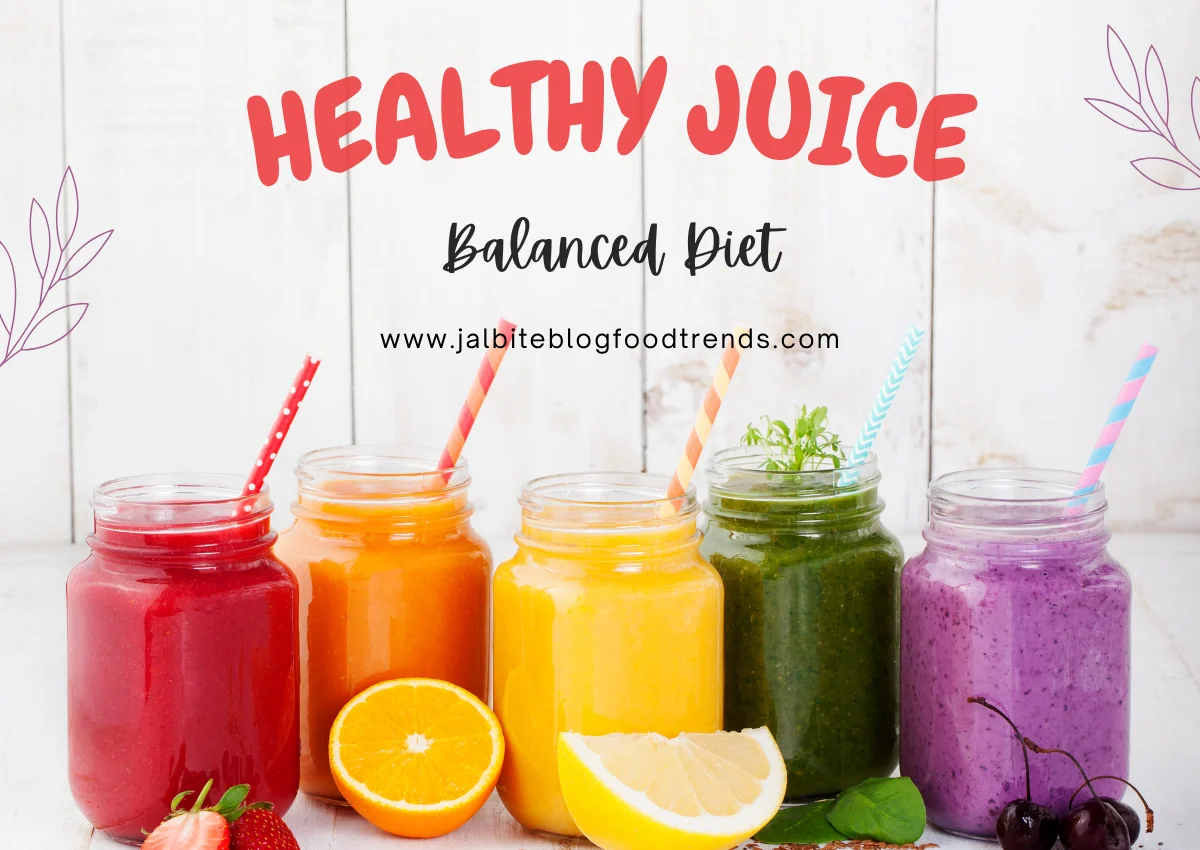

Fruit juice is often discussed with mixed opinions. Some people see it as a convenient source of vitamins, while others worry about sugar content. The truth is that fruit juice can still have a place in a balanced diet when it is consumed in the right amount and chosen wisely. It should not replace whole fruits, but it can support daily nutrition, hydration, and dietary variety.
The Nutritional Value of Fruit Juice
Quality fruit juice contains many nutrients naturally found in fruits. Depending on the fruit, juice may provide vitamin C, potassium, folate, antioxidants, and plant compounds that support general wellness. Orange juice, for example, is well known for vitamin C, while grape, pomegranate, and berry juices contain polyphenols.
These nutrients help the body maintain normal immune function, support energy metabolism, and protect cells from oxidative stress. For people who find it difficult to eat enough fruit every day, a small glass of juice can be a practical way to increase fruit-based nutrients.
Fruit Juice and Daily Hydration
Fruit juice also contributes to fluid intake. While water should remain the main beverage in a healthy diet, juice can add flavor and variety. This is especially useful for children, older adults, or people who may not drink enough fluids during the day.
However, portion control is important. A moderate serving, such as 120–180 ml, is usually enough to enjoy the taste and nutrients without consuming too much natural sugar.
Why Whole Fruit and Juice Are Not the Same
Fiber Makes a Difference
Whole fruits contain dietary fiber, which helps slow sugar absorption and supports digestion. During juicing, much of the fiber is reduced or removed. This means fruit juice can raise blood sugar more quickly than whole fruit.
For this reason, juice should be treated as a complement to whole fruit, not a replacement. A balanced diet can include both: whole fruit for fiber and fullness, and juice for convenience and quick nutrition.
Natural Sugar Still Counts
Even 100% fruit juice contains natural sugar. Although this sugar comes from fruit, it still contributes calories. Drinking large amounts of juice can make it easy to consume more sugar than intended.
The best approach is to choose 100% juice with no added sugar and drink it in reasonable portions. Avoid fruit drinks, artificial juice blends, or products with excessive sweeteners when possible.
How Fruit Juice Supports Modern Lifestyles
Convenient Nutrition for Busy People
Many people have busy schedules and may not always have time to prepare fresh fruit. A small bottle of juice can be convenient at breakfast, during travel, or after exercise. It offers quick refreshment and can pair well with meals such as whole-grain bread, yogurt, eggs, or nuts.
While fruit juice provides natural vitamins and hydration, some active individuals also choose energy drinks for workout support and increased focus. Understanding the differences between these beverages is important for making informed choices. For a closer look at ingredients, benefits, and fitness-related considerations, check out this guide on Bang Energy Drink.
For food and beverage producers, maintaining freshness and safety during packaging is essential. Equipment such as a monoblock filling machine can help complete rinsing, filling, and capping in one integrated process, supporting hygienic and efficient juice production.
A Useful Option for Different Age Groups
Fruit juice can be helpful for people with different dietary needs. Children may enjoy juice as part of breakfast, while older adults may find it easier to drink juice than chew certain fruits. Athletes or active people may also use juice as a quick source of carbohydrates and fluids.
Still, juice should be served carefully. For children, smaller servings are better. For adults managing blood sugar, juice should be consumed with meals rather than alone.
Choosing Better Fruit Juice
Read the Label Carefully
The healthiest choice is usually 100% fruit juice without added sugar, artificial colors, or unnecessary additives. Cloudy juices may contain more fruit solids, while cold-pressed options may appeal to consumers looking for a fresher taste.
Consumers should also check serving size. A large bottle may look like one portion but actually contains two or three servings.
Freshness and Processing Matter
Taste, color, and nutritional quality are strongly influenced by processing and packaging. A reliable juice bottling machine helps producers fill juice accurately, reduce contamination risks, and protect product quality before it reaches consumers.
Good packaging also helps preserve flavor and extend shelf life, making juice safer and more convenient for daily consumption.
Final Thoughts
Fruit juice still matters in a balanced diet because it provides nutrients, hydration, taste, and convenience. The key is moderation. Whole fruits should remain the main source of fruit intake, but a small serving of quality juice can be part of a healthy lifestyle.
When consumers choose 100% juice, control portions, and combine it with balanced meals, fruit juice can offer real value without becoming excessive. Like many foods and drinks, it works best when enjoyed thoughtfully.