


Finding reliable incontinence care outside Australia’s capital cities often involves longer waits and fewer nearby specialists. Regional and rural households face a gap in local continence services, such as GP appointments or product access. That gap doesn’t mean support is out of reach, though.
Ontex Healthcare provides practical continence guidance, product selection resources, free samples, and access to distributors offering home delivery. This article walks through what funding and telehealth options you can receive, and how to get incontinence supplies delivered straight to your door.
First, let’s see why regional care looks so different, and what you can do about it.
Why Is Regional Australian Incontinence Care So Hard to Find?
Regional Australia has far fewer continence nurses, GPs, and specialist clinics than the cities do. Many towns don’t even have a single continence care service within a two-hour drive. As a result, families often turn to the phone or the internet first.
And when the nearest appointment is weeks away, small issues will become more serious before anyone sees a health professional. That delay can be especially difficult for people managing common forms of incontinence.
Stress incontinence, for example, shows up when pressure from coughing, laughing, or lifting causes leaks. It’s common in women after childbirth and in men after prostate surgery, though pelvic floor exercise often eases the symptoms within a few months.
Because specialist help isn’t always nearby, many people miss the early signs of incontinence altogether. That’s part of why continence management in the regions looks so different from in a capital city.
Existing Support Options for Rural Home Care
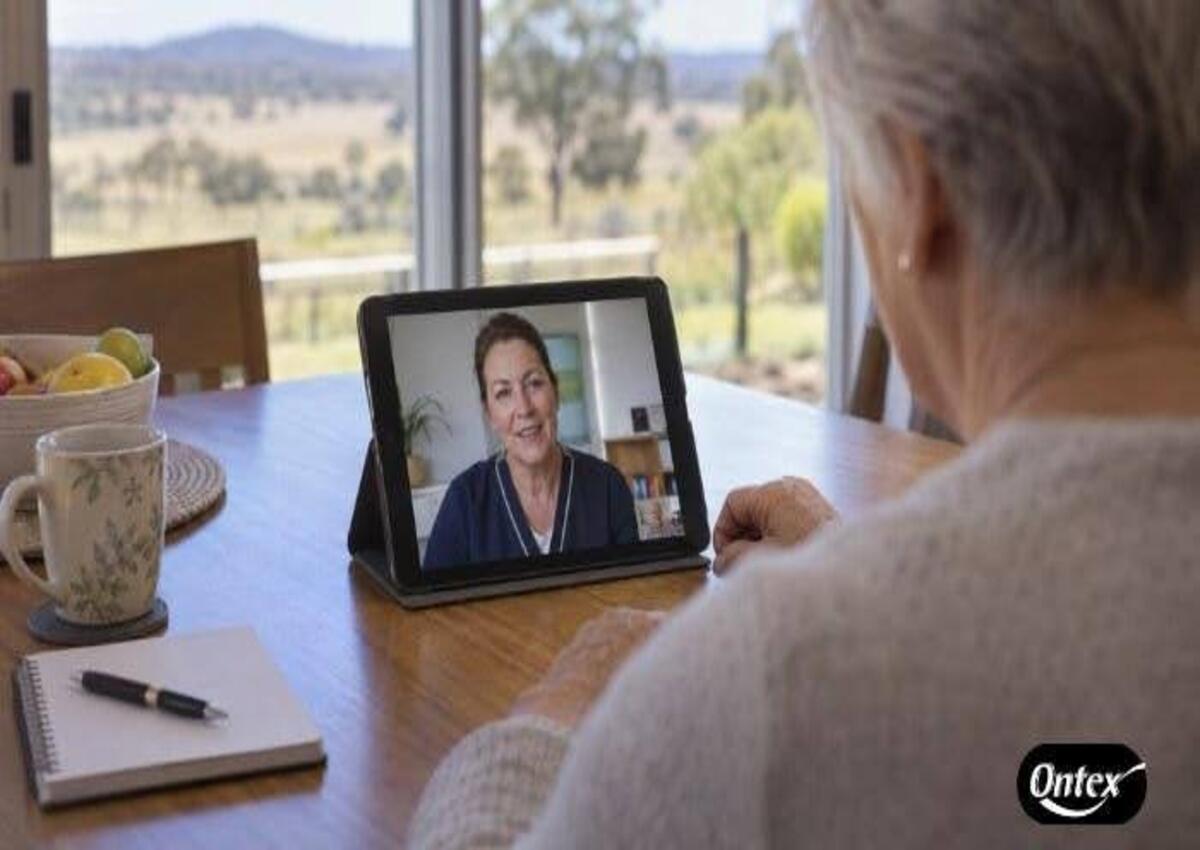
Rural families don’t have to go without support just because a specialist clinic isn’t nearby. Several options now bring continence management straight to the home. Carers and families can access most of them without leaving their property.
Telehealth Help for Continence Management
A typical telehealth session through platforms such as SPARTA starts with a continence nurse reviewing your bladder diary and recent symptoms. From there, they’ll suggest product changes or exercises, then book a follow-up call to track progress.
Some services also link in a pelvic floor physiotherapist for stress incontinence cases. That way, the same video call can cover more than one specialist. If you’re someone from regional Victoria, telehealth can save you from taking a full day off work and covering fuel costs just to attend a single city appointment.
In-Home Nursing and Aged Care Visits
A Support at Home package can include a nurse who visits weekly or fortnightly for hands-on continence care. These visits cover catheter changes, skin checks, and adjusting product types as needs change over time.
Nurses also track patterns, like whether leaks occur more at night, and adjust the care plan based on what they find.
Local Pharmacy and GP Support
Many regional pharmacies offer free sample packs before you commit to buying larger quantities of a product. Absorbency needs vary a lot between brands, and a wrong bulk order can waste over a hundred dollars.
In this case, a local GP can request a Home Care Package assessment on your behalf. This opens the door to funded support without a specialist referral first. Some GPs will even coordinate directly with a continence nurse, so the patient doesn’t have to explain their history twice.
NDIS, CAPS, and Aged Care Funding Explained
The National Disability Insurance Scheme (NDIS) covers continence products for eligible participants right across Australia, provided the need is linked to a permanent disability.
Similarly, the Continence Aids Payment Scheme (CAPS) pays up to $739.40/year for 2026-27. It can usually run alongside Support at Home funding rather than replacing it.
From October 2026, continence support moves into fully funded clinical care under that same program, removing the co-payment some families currently cover. Continence Health Australia is a solid place to check current eligibility rules (scheme details shift from year to year).
Community and Peer Support Groups
Peer support groups usually run monthly meetups or phone check-ins where carers and individuals swap practical advice. Continence Health Australia keeps a directory of these groups, searchable by postcode, so finding one nearby takes a few minutes.
Members here share which local pharmacies stock harder-to-find products, or which GP in town takes continence concerns seriously. Our customers often tell us that talking to someone who understands catheter changes or skin breakdown firsthand often gives carers ideas a clinic visit won’t cover.
How Can You Get Incontinence Supplies Delivered?
You simply order online or by phone, and the package arrives at your door within a few days (no more long drives to a pharmacy just to restock). Suppliers like Ontex Healthcare now ship incontinence products straight to rural and regional addresses across Australia.
Here’s a look at the type of incontinence products regional households tend to order most:
- Incontinence Pads and Pull-Ups: These absorbent essentials handle light to moderate urinary incontinence throughout the day and night. Pull-ups generally suit anyone who wants a familiar underwear feel with built-in protection.
- Bed and Chair Protectors: Bed and furniture protectors, such as the Kylie products, sit under bedding or furniture covers to catch overnight leaks. They’re washable, reusable, and save on laundry compared to changing sheets constantly.
- Catheter Care Essentials: Cleaning supplies and drainage bags support safe, hygienic catheter care at home. Having these accessories on hand sometimes reduces the risk of infection between clinic visits.
- Skincare and Barrier Creams: Skin protection products, such as Serenity Care’s range, protect skin from irritation caused by prolonged moisture exposure. Regular use helps prevent breakdown around sensitive areas affected by bowel or bladder leaks.
- Free Sample Packs Before Bulk Orders: Trying a few pads or pants first helps you manage fit and absorbency before committing. This way, you can avoid buying a full pack of products that don’t suit your needs.
Once you’ve found what works, reordering becomes simple, and most families settle into a routine within a month or two. There’s no need to keep guessing what to buy next time.
Which Incontinence Product Suits Your Needs?
The right incontinence product depends on how often leaks happen and how much fluid they involve. A quick self-check, or a chat with a GP or continence nurse, helps you figure out where you sit. From there, matching the product to the leakage level makes daily management far simpler.
The table below may help you get an idea:
| Leakage Level | Common Signs | Suggested Product |
| Light | Occasional drops when coughing or laughing | Thin pads or liners |
| Moderate | Regular leaks needing daily protection | Pull-up style pants |
| Heavy | Frequent, larger-volume leaks | Full absorbency briefs |
| Overnight | Leaks during sleep | Bed protectors plus overnight pads |
A higher-quality product often outlasts a cheaper one, so it’s worth testing a few options before settling into a routine. Choosing the correct fit early on not just saves money; it also cuts down on skin irritation.
- Related Post: How Coastal Lifestyle Habits Quietly Shape the Long-Term Skin Health Choices People Make
Continence Care That Reaches Every Corner of Australia
Living outside a capital city doesn’t mean going without proper continence care. Between telehealth, funding schemes, and reliable delivery, regional and rural families now have solid options at home. Managing incontinence still takes patience, but it doesn’t have to feel isolating or out of reach.
In case you’re unsure where to start, the National Continence Helpline on 1800 33 00 66 offers free, confidential guidance. And if you’re after quality incontinence pads, bed protectors, or skincare, Ontex Healthcare delivers Australia-wide.
Curious about the recent funding changes mentioned in the blog? Check out our other articles on the 2026 aged care budget updates for a closer look at what’s changing and how it affects you.