
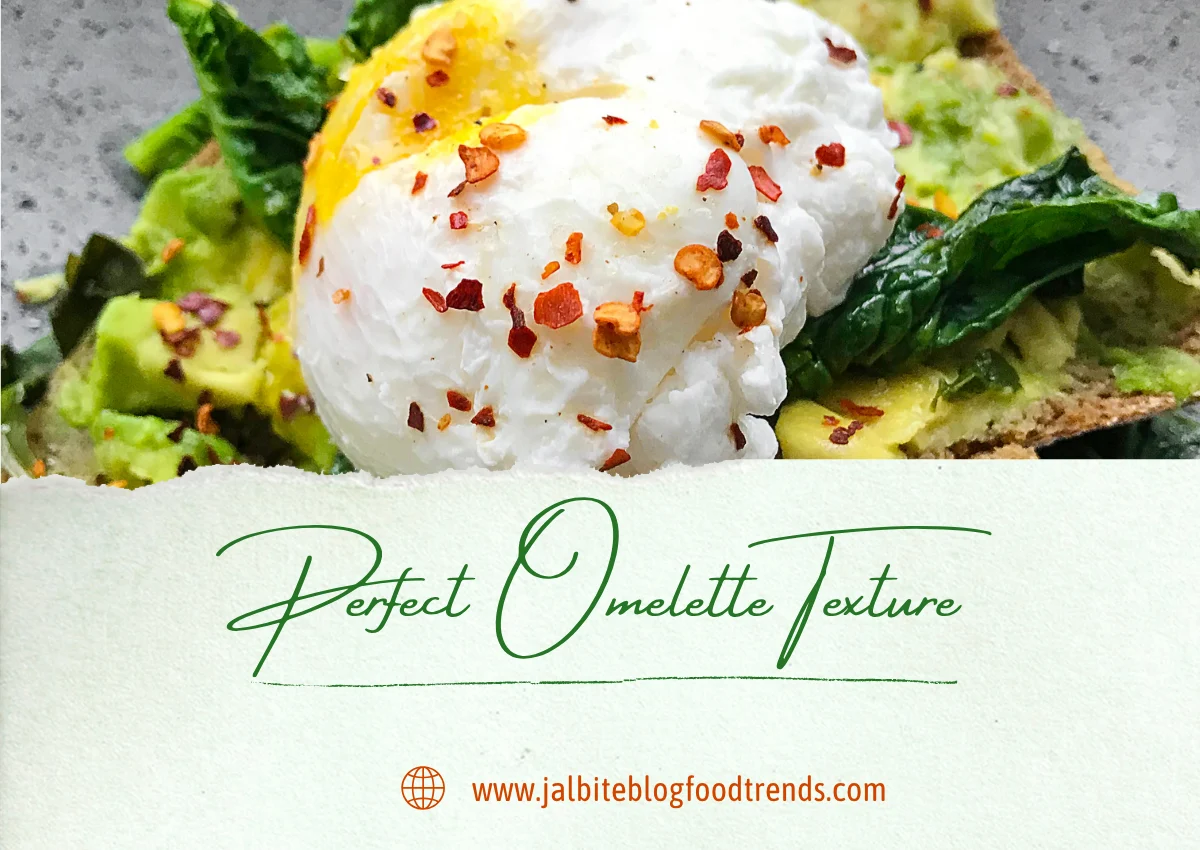

Achieving The Perfect Omelette Texture
Getting an omelette just right is all about texture. You want it to be tender, maybe a little creamy inside, and not rubbery. It’s a delicate balance, and honestly, it’s not as hard as some people make it out to be. Think about the omelettes you’ve had at places like Famous Toastery; they usually nail that soft, yielding bite. That’s the goal.
Understanding Omelette Doneness
Knowing when your omelette is ready is key. It’s not just about whether it’s browned on the bottom. You’re looking for a specific set of signs that tell you it’s cooked through but still moist. The sweet spot is when the eggs are mostly set but still have a slight sheen of moisture on top. Overcooked eggs get tough and dry, which is a real shame after all that effort. It’s like over-baking a cake; you lose all the good stuff.
The Role Of Heat In Omelette Cooking
Heat is your best friend, but it can also be your worst enemy if you’re not careful. Too high, and you’ll scorch the outside before the inside cooks. Too low, and you’ll end up with a sad, pale, and possibly watery omelette. Medium to medium-low heat is usually the way to go for most omelettes. It allows the eggs to cook gently and evenly.
You’re aiming for a gentle cooking process. The heat should be enough to set the eggs, but not so much that it browns them too quickly or makes them tough. Think of it as coaxing the eggs into their perfect form, not forcing them.
Signs Of An Overcooked Omelette
Spotting an overcooked omelette is pretty straightforward once you know what to look for. The most obvious sign is a dry, rubbery texture. If it feels tough to cut or chew, it’s probably gone too far. You might also see a lot of browning, especially on the edges, and the center will be completely solid with no hint of moisture. It’s a texture that nobody really wants, and it’s a common mistake when you’re just starting out or if you get distracted. If you’re ever wondering about the best omelette near me, you’re probably looking for one that avoids these pitfalls.
Factors Influencing Omelette Cooking Time
So, you’re aiming for that perfect omelette, the kind you might find at a place like Famous Toastery. It’s not just about throwing eggs in a pan and hoping for the best. A few things really change how long you’ll be standing there, spatula in hand. Thinking about an “omelette near me”? Well, the time it takes to make one at home can vary quite a bit.
Pan Size And Heat Distribution
This is a big one. If your pan is too big for the number of eggs you’re using, the heat spreads out too thin. This means the eggs cook more slowly and can end up a bit rubbery. On the flip side, a pan that’s too small crowds the eggs, making them cook too fast and potentially burn before the inside is done. You want a pan where the eggs can spread out evenly, about a quarter-inch thick. Good heat distribution is key, too. A pan with hot spots will cook unevenly, leaving you with parts that are overdone and others that are still runny.
Number Of Eggs Used
This one’s pretty straightforward, but it matters. More eggs mean more volume, and more volume takes longer to cook through. A two-egg omelette will be done in a flash, while a four or five-egg omelette needs a bit more time on the heat. It’s not just about the time, though. With more eggs, you might need to adjust your heat slightly lower to prevent the outside from cooking too quickly before the inside sets.
Omelette Thickness
Just like the number of eggs, how thick you make your omelette plays a role. A thin, delicate omelette cooks super fast. You’re basically just setting the eggs. A thicker omelette, however, needs more time for the heat to penetrate to the center. This is where technique comes in. You might need to gently lift the edges and tilt the pan to let the uncooked egg flow underneath, helping it cook more evenly without getting too brown on top.
The goal is a tender, evenly cooked omelette. It’s a balance between heat, time, and the amount of egg. Don’t rush it, but don’t let it sit there forever either. Finding that sweet spot is what makes a great omelette.
Here’s a quick rundown:
- Thin omelettes: Cook in 1-2 minutes.
- Medium omelettes: Cook in 2-4 minutes.
- Thick omelettes: Cook in 4-6 minutes, possibly longer, with careful heat management.
Cooking Times For Different Omelette Styles
So, you’ve got your eggs ready, your pan’s heating up, but how long does this whole omelette thing actually take? It really depends on the kind of omelette you’re aiming for. At Famous Toastery, we’ve seen a few different styles come through the kitchen, and each has its own rhythm.
French Omelette Cooking Secrets
This is where finesse comes in. A classic French omelette is all about a tender, barely set interior with a smooth, pale exterior. It’s cooked quickly over medium-high heat. You’ll want to keep the eggs moving in the pan, almost like scrambling them, for the first minute or so. Then, you let it set just enough to fold.
- The goal is a creamy, almost custardy center.
- It cooks in about 1 to 2 minutes total.
- No browning allowed, think pale yellow.
This style is delicate. Too much heat, and you’ll end up with something rubbery instead of rich.
American Diner-Style Omelette
Now, this is the omelette many of us grew up with. It’s usually cooked a bit longer, often over medium heat, and it’s typically browned a little on the outside. This gives it a firmer texture. You’ll see these often filled generously and folded in half.
- Cook time is usually around 3 to 5 minutes.
- A little bit of color on the outside is okay, even desirable.
- Often cooked until the center is fully set, not runny.
If you’re looking for an “omelette near me” that fits this description, you’ll find it in many local diners.
Fluffy Soufflé Omelette Techniques
This one’s a bit more involved and takes a little longer. The key here is separating the eggs and whipping the whites into stiff peaks before folding them into the yolks. This creates an incredibly light and airy omelette.
- Cook the yolk mixture gently until it’s mostly set.
- Carefully fold in the whipped egg whites.
- Cover the pan and cook on low heat until the whites are just set and the omelette is puffed up. This can take 5-7 minutes.
This method requires patience and a gentle hand. It’s a showstopper, for sure!
Mastering The Omelette Flip
Flipping an omelette can feel like a high-stakes moment, but with a little practice, you’ll be tossing them like a pro. It’s not just about getting it over; it’s about keeping that beautiful, tender omelette intact. Think of it as the grand finale to your cooking show. If you’re looking for an omelette near me, you might find places that make it look easy, but there’s a knack to it.
When To Attempt The Flip
The timing is everything. You don’t want to flip too early, or you’ll end up with a runny mess. Wait until the edges of the omelette start to set and pull away slightly from the pan. The center should still be a bit moist, but not liquid. It’s a delicate balance. You’re looking for that moment when the bottom is golden and firm, but the top still has a bit of a creamy sheen.
- Edges are set and slightly lifted.
- The center is still moist but not runny.
- Bottom has a light golden color.
Techniques For A Clean Flip
There are a couple of ways to get this right. The classic method involves a quick, confident flick of the wrist. You want to use a spatula to gently loosen the omelette all around the edges first. Then, slide the spatula about halfway under the omelette. Give the pan a little shake to make sure it’s not sticking. The key is a swift, decisive motion.
Another approach, especially for larger omelettes or if you’re feeling a bit nervous, is the ‘fold and slide’. You can fold the omelette in half with your spatula, then slide the whole thing onto the plate. This is a bit more forgiving and still results in a lovely presentation, much like you’d get at Famous Toastery.
Some folks like to use two spatulas, one on each side, to help guide the omelette. It might seem like overkill, but it can give you extra control, especially if your pan is a bit crowded or the omelette is particularly delicate. It’s all about finding what works for your grip and your pan.
Don’t get discouraged if your first few attempts aren’t perfect. Even the best chefs have had their omelette mishaps. The important thing is to keep trying. You’ll get the hang of it, and soon you’ll be flipping omelettes with confidence.
Ensuring Your Omelette Is Cooked Through
So, you’ve got your omelette in the pan, and you’re wondering, ‘Is it ready yet?’ It’s a common question, and getting it just right makes all the difference between a sad, runny mess and a perfectly cooked delight. At Famous Toastery, we know that knowing when your omelette is done is key. It’s not just about time; it’s about what you see and feel.
Visual Cues For Readiness
The surface of your omelette should look mostly set, with maybe just a tiny bit of wetness right in the center. Think of it like a barely-there shimmer. You don’t want it to be completely dry and stiff, as that usually means it’s already gone too far. Here are some things to look for:
- Edges: The edges should be lightly golden brown and pulling away slightly from the sides of the pan.
- Center: The very middle might still look a little soft or glossy, but it shouldn’t be liquid.
- Bubbles: Small bubbles might appear on the surface as it cooks, which is a good sign.
Sometimes, the best way to tell is by gently nudging the side with your spatula. If it moves as a cohesive unit and doesn’t tear, it’s likely ready to be folded or flipped.
Internal Temperature Checks
While most home cooks don’t pull out a thermometer for an omelette, it’s the most accurate way to know for sure. For a perfectly cooked omelette, you’re aiming for an internal temperature of around 160°F (71°C). This temperature ensures the eggs are fully cooked without becoming rubbery. If you’re making a French-style omelette, you might pull it off the heat a little sooner, letting the residual heat finish the job.
For those who like their omelettes well-done, like you might find at a place serving an “omelette near me” that’s known for hearty breakfasts, you’ll want to make sure it hits that temperature. It’s a simple step that guarantees food safety and a great texture every time. You can use an instant-read thermometer inserted into the thickest part of the omelette.
- Related Post: Creative Ways to Use Tomato Paste in Daily Cooking
Serving Your Delicious Omelette
So, you’ve just pulled off a perfect omelette. Awesome! Now, what’s the best way to get it from the pan to your plate without losing any of that fluffy goodness? It’s all about timing and presentation.
The Importance Of Immediate Serving
An omelette waits for no one. Seriously, the moment it’s done, it’s at its peak. Letting it sit around is just asking for trouble. The heat starts to escape, the texture can get a bit rubbery, and those beautiful, soft curds can firm up too much. It’s like a soufflé; it’s best enjoyed right away. If you’re thinking about making one for a group, it’s often better to cook them one at a time so everyone gets a fresh, hot omelette. If you’re looking for a great omelette near me, you’ll find that places like Famous Toastery understand this principle and serve them up fast.
Pairing Suggestions For Your Omelette
What goes with a fantastic omelette? Lots of things! Here are a few ideas to make your meal even better:
- Fresh Fruit: A simple side of berries or melon adds a nice sweet contrast.
- Toast: Classic for a reason. Buttered sourdough or a hearty whole wheat is always a winner.
- Greens: A light side salad with a vinaigrette can balance out the richness.
- Potatoes: Whether it’s home fries or roasted potatoes, they’re a hearty addition.
Think about the fillings you used. If your omelette is packed with savory ingredients like cheese and ham, a lighter side might be best. If it’s a simpler cheese omelette, you might want something a bit more substantial.
Remember, the goal is to complement the omelette, not overpower it. A well-paired side can really make your breakfast or brunch feel complete. Famous Toastery often has great suggestions on its menu if you need inspiration.
So, How Long Does an Omelette Take?
Alright, so we’ve talked about eggs and heat and all that. The truth is, there’s no single magic number for how long an omelette should cook. It really depends on how you like it – fluffy and just set, or a little more cooked through. Keep an eye on it, maybe do a little test run or two. You’ll get the hang of it pretty fast, and soon you’ll be making perfect omelettes without even thinking about it. Happy cooking!