
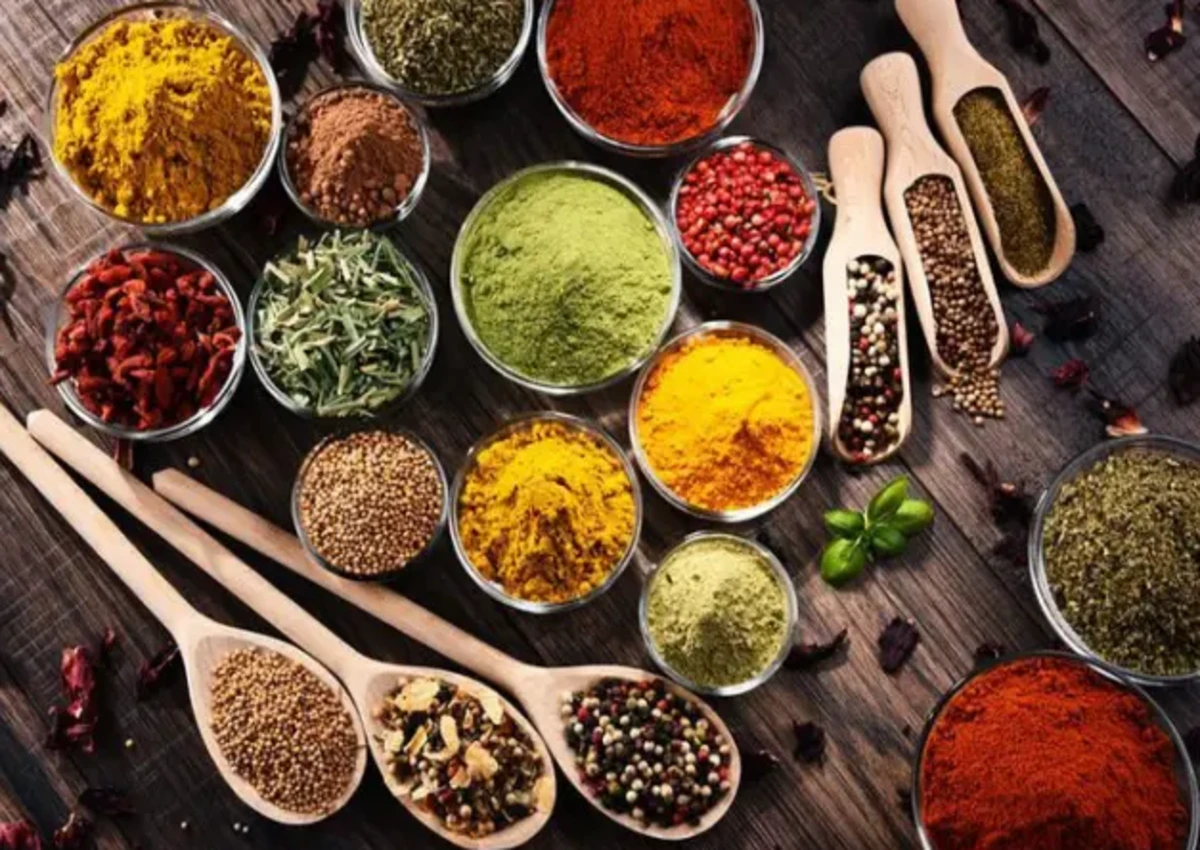

Many people who buy spice blends online wonder why the taste is so different from what they mix at home. You are not alone in this thinking. Most people believe it is only the convenience factor behind this. But the reason goes much deeper, honestly. Herb Nation has a good range of wholesale blends, and when you spend time around such products, you start understanding how much thinking is going into what looks like a simple jar of powder.
What’s Actually In There
A spice blend, most people think, is just some things mixed together. Put a little of this, put a little of that, finished. But blends that are actually tasting good, they are built on balance. Heat is there, earthiness is there, sweetness and bitterness also, all pulling in different directions, and the blend must hold all of them so no single one is taking over the flavour.
Garam masala, take this as an example. Cardamom, cloves, cinnamon, cumin, coriander. If you are leaving one out, it starts tasting thin immediately. Ratios matter just as much as the ingredients themselves. Cajun seasoning is leaning heavily on chilli and paprika because heat must come first when you taste it. Chinese five spice is working opposite to this. Star anise and fennel are making it smell almost sweet before anything reaches your tongue. Same category these two are, but the logic behind them is completely different.
Why the Pre-Made Stuff Beats DIY More Often Than Not
Homemade sounds better in principle. Fresh, personal, no mystery ingredients. But most people are mixing from spices that have been sitting in the back of the cupboard since last winter. Flavour compounds in dried spices do not last forever. Once those volatile oils become flat, no amount of toasting is bringing them back.
Good commercial blends use spices that are sourced at peak quality, and grinding is happening closer to the time when the blend is actually being put together. That difference you are tasting, it is not magic. It is only fresher material and better timing, nothing else. And if you are running any kind of food business, one more reason is there to go pre-made. Consistency. Wednesday batch of your house rub and a Thursday batch, they cannot taste completely different from each other. A proper blend removes that variable entirely.
The Regional History Nobody Talks About Enough
These blends are not coming from any food lab. Ras el hanout from North Africa, it can contain 30 or more ingredients, and historically the exact mix was changing every week depending on what spice market was having available. In Indian households, masalas were getting ground fresh every single morning from whole spices that were toasted dry in a pan. Some people are still doing this today.
What you are getting when you use a regional blend, a real one and not some watered-down version, is the result of hundreds of years of people figuring out what is working. Proportions reflect geography, climate, and local ingredients that people were cooking with. Nobody designed it on a spreadsheet. It was evolving slowly through cooking only.
Seasoning Blend vs. Spice Blend: Not the Same Thing
This is confusing people constantly. A spice blend is only dried spices and seeds. Cumin, coriander, turmeric, pepper, whatever the recipe is calling for. No salt, no sugar, nothing extra. A seasoning blend already has salt in it, sometimes sugar also, sometimes dried herbs, and often anti-caking agents so it is not clumping.
For home cooking, this difference doesn’t matter much. But if you are buying in bulk for a commercial kitchen, it matters a lot. Salt content is changing how you build a dish. If your blend is already carrying salt, everything else must be adjusted around it. Spice blends are giving more control because you yourself are adding salt separately, on your own terms.
Whole Spice vs. Pre-Ground: Where Freshness Actually Gets Made or Lost
Blends that are built from whole spices that are ground during production these are tasting noticeably different from blends that are assembled from powders that someone else ground months earlier. Oils in a freshly broken spice, they have not oxidised yet. That is why your blend is smelling sharp when you open the bag, and also why another brand’s version of the same blend is sometimes smelling like almost nothing.
When buying spice blends online, how suppliers are describing their process, this is worth paying attention to. Small-batch grinding from whole spices and combining pre-ground powders from a bulk warehouse, these two things are not the same. The end product might look identical to your eyes. But it will not cook identically; this is for sure.
Getting More Out of Them Than Just the Obvious
Most people are using a blend for one thing only. Jerk on chicken, Cajun on fish, five spice on pork, finished. Which is fine, but a lot you are leaving on the table this way. Stir a spice blend into full-fat yoghurt and in 30 seconds your marinade or dipping sauce is ready. Mix it into olive oil and before vegetables go in the oven, brush it over them. Work a teaspoon into softened butter and while meat is resting, use it for basting. Even a small pinch into salad dressing adds a layer that makes the whole thing taste more deliberate.