
Home cooking is shifting away from rigid recipes and toward repeatable, practical methods. Instead of memorizing ingredient lists, people are learning how heat, timing, moisture, and texture shape the final result. This technique-first approach gives cooks control and makes it easier to adapt meals to ingredients, equipment, and schedules.
The change is partly driven by access to tools and clearer culinary education. Digital thermometers, responsive stovetops, air fryers, and high-quality pans have made precise cooking easier at home. Meanwhile, online demonstrations have helped people understand why cooks dry ingredients, preheat cookware, rest proteins, and finish dishes carefully.
Delicate proteins are useful for learning these habits because they respond quickly to temperature changes. Salmon, for example, can move from tender to dry in only a few minutes. Its richness also makes it an ingredient for studying contrast, whether the goal is crisp skin, a roasted center, or a gently poached texture.
That balance continues after cooking. When choosing sauces for salmon, home cooks can think about the method used, the richness of the portion, and the texture to preserve. A pan-seared fillet benefits from something light served beneath or beside it, while a baked portion can carry a spoonable finish.
Understanding Heat Before Following Time
Technique-first cooking begins with recognizing that times are estimates, not guarantees. Thickness, starting temperature, cookware, and appliance performance all affect how food cooks. A recipe may suggest eight minutes, but visual cues and internal temperature often provide a reliable picture of what is happening.
For stovetop cooking, preheating matters because contact between food and pan determines whether browning begins immediately. If the surface is too cool, moisture escapes before a crust forms. If it is excessively hot, the exterior may darken before the center cooks evenly. Learning to adjust heat matters more than following one fixed setting.
Oven methods require similar awareness. Roasting offers even heat and is useful for thicker cuts, but carryover cooking continues after the food leaves the oven. Removing a portion slightly early and allowing it to rest can produce a better final texture than waiting until the center appears fully done while still inside.
Texture Starts With Surface Preparation
Professional-looking browning often begins before heat is applied. Drying the surface removes moisture that would otherwise create steam. This is especially important for skin-on fish, seared meat, mushrooms, and vegetables. A dry surface makes direct contact with the pan more effective and creates a cleaner, more appealing crust.
Seasoning also works better when used with purpose. Salt can improve flavor and texture, but timing matters. A brief seasoning period may help a thick portion absorb flavor, while seasoning immediately before high-heat cooking may be better when surface dryness is the priority. Technique-first cooks choose based on the desired result.
Once food enters the pan, patience becomes part of the method. Constant movement prevents browning and can damage delicate surfaces. Allowing the first side to cook undisturbed helps the food release naturally. This simple habit often improves appearance more than adding extra oil or increasing the heat.
Matching Finishes to Cooking Methods
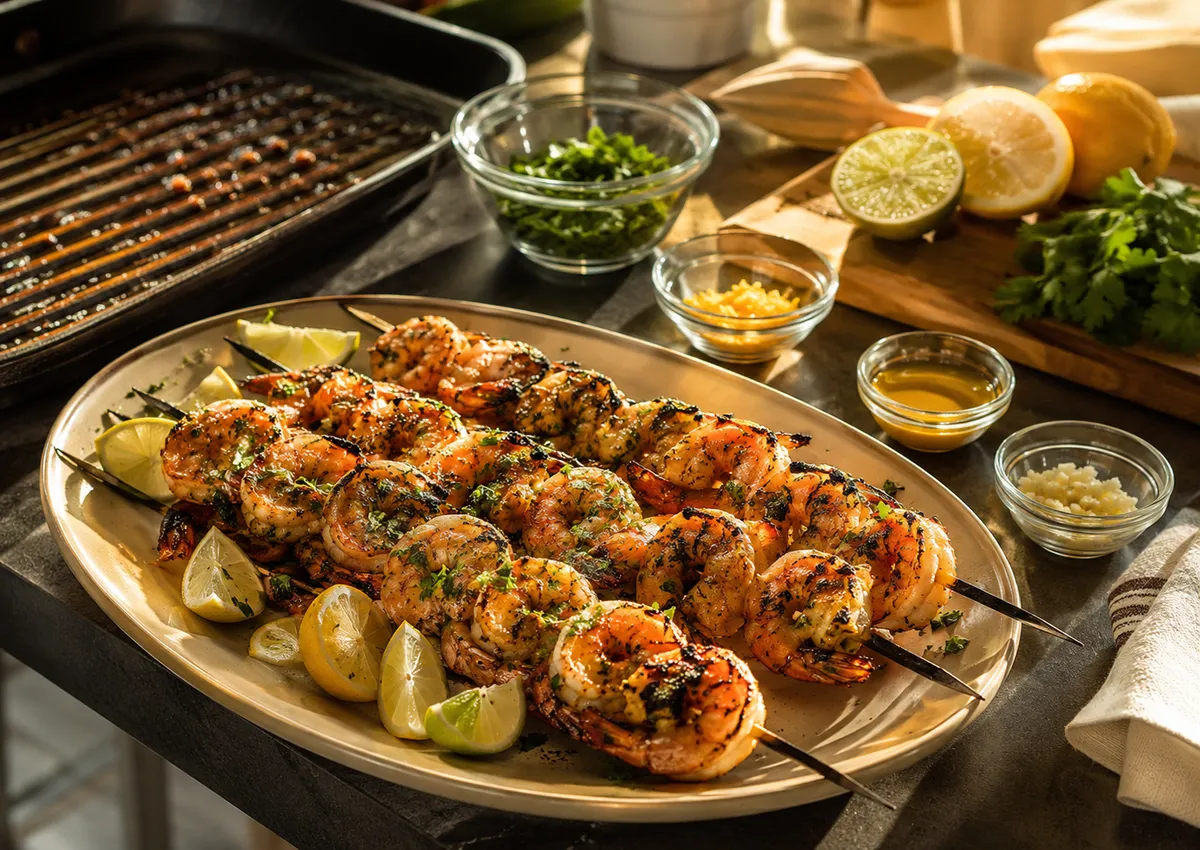
The finishing stage should reinforce what the cooking method has already created. Grilled food often benefits from freshness and acidity that balance smoke. Roasted dishes can handle warmer spices, concentrated juices, or creamy elements. Poached ingredients pair naturally with gentle herbs and lighter textures that do not overwhelm them.
This is why sauces for seafood should not be treated as interchangeable toppings. Citrus and herbs can brighten a rich grilled portion, while yogurt, mustard, or a restrained butter preparation may suit baking or poaching. The best choice supports the texture and temperature of the dish rather than distracting from them.
Layered seasoning is another technique gaining popularity. Instead of adding all the flavor at one stage, cooks season lightly before cooking, introduce aromatics during the process, and add acidity or freshness at the end. This creates depth while keeping the main ingredient recognizable.
Using Tools Without Losing Judgment
Kitchen technology supports technique when it provides useful information. A thermometer can confirm internal temperature, but it should work alongside visual cues such as opacity, firmness, browning, and moisture. Timers are helpful, yet they should prompt observation rather than replace it.
Air fryers and smart ovens have made consistent results more accessible, but they still require adjustment. Basket crowding, portion size, and airflow can change performance. Recording successful settings helps cooks create personal reference points instead of relying entirely on generic instructions.
Even a digital scale can improve savory cooking. Measuring marinades, dressings, and finishing mixtures by weight makes balance easier to repeat. It also helps with small batches, reducing waste and allowing cooks to adjust acidity, sweetness, salt, or fat in controlled increments.
- Related Post: Understanding Why Persistent Tiredness Often Points to Deeper Nutritional and Hormonal Imbalances
Building Better Weeknight Habits
Technique-first cooking is practical because the same principles apply across many meals. Drying, preheating, controlling heat, resting, and tasting before serving can improve fish, meat, vegetables, grains, and eggs. The ingredients change, but the decision-making process stays familiar.
This approach also makes substitutions less stressful. A cook who understands texture and heat can replace one ingredient with another without abandoning the entire plan. The meal becomes a flexible structure rather than a fixed formula, which is useful when shopping options or time are limited.
Plating becomes easier as well. A balanced plate usually combines contrasting textures, temperatures, and flavors. Crisp vegetables can support a tender main ingredient, while pickled elements or fresh herbs can cut through richness. Presentation improves naturally when each component has a clear role.
The growing interest in technique reflects a desire for confidence, not complexity. Home cooks want reliable results without turning every meal into a project. Learning why a method works makes cooking faster, calmer, and more adaptable over time.
Restaurant-quality results do not depend on expensive equipment or elaborate recipes. They come from observing carefully, making small adjustments, and understanding how heat and moisture behave. When those habits become routine, even a simple weeknight meal can feel polished, balanced, and intentional.