
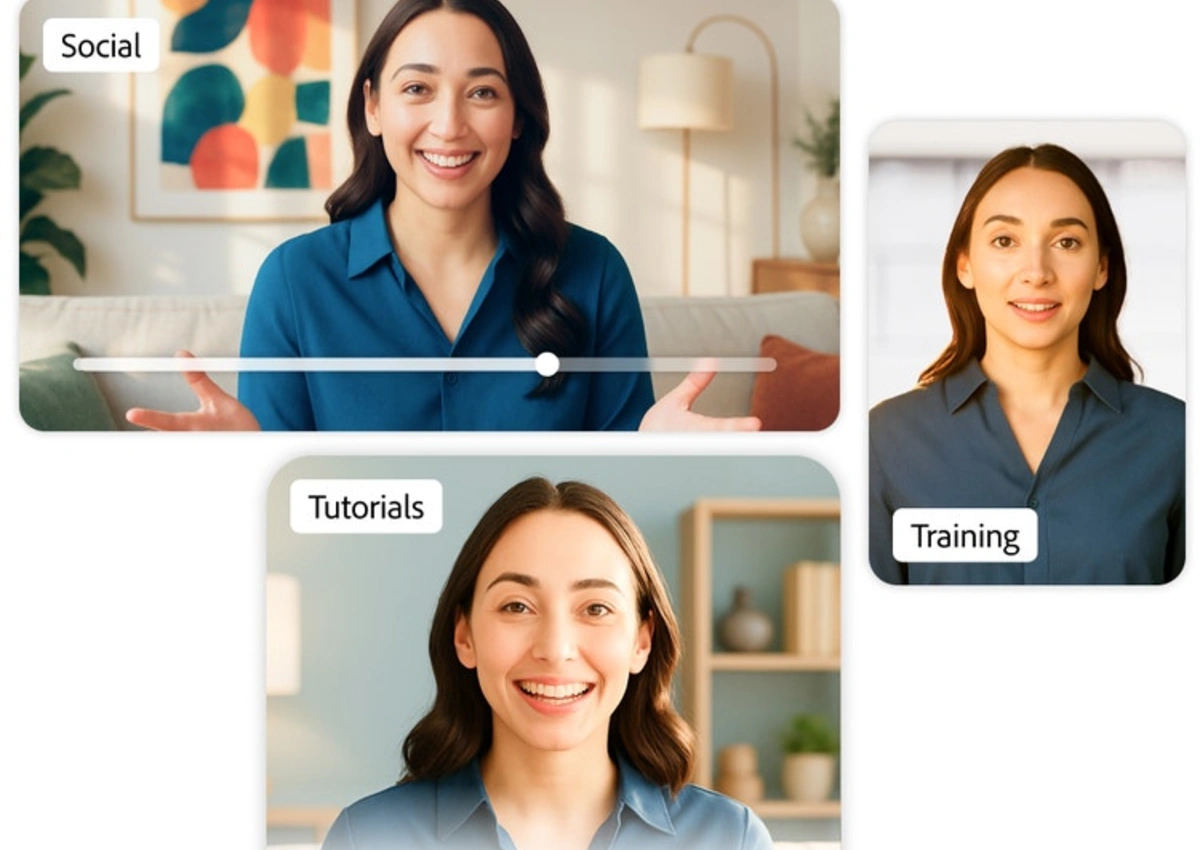

In today’s digital-first world, how you present yourself online often shapes the first impression, sometimes long before a conversation ever begins. Whether you are joining a virtual meeting, launching a personal brand, building a gaming profile, or representing a business on social platforms, a well-designed avatar can communicate personality, professionalism, and credibility in seconds. The challenge is not understanding why avatars matter. It is finding a tool that makes creating one simple, flexible, and genuinely effective.
That is where tools like the avatar maker from Adobe Express stand out, offering an intuitive way to design polished avatars without design experience, expensive software, or hours of trial and error.
Why Avatars Matter More Than Ever
Avatars are no longer limited to gaming or cartoon-style forums. They have become a core part of digital communication across industries. Professionals use avatars on LinkedIn, Slack, Zoom, and internal dashboards. Educators and students rely on them in virtual classrooms. Creators and entrepreneurs use avatars to build recognizable brands across platforms.
A strong avatar helps you:
- Establish consistency across digital channels
- Humanize your online presence when cameras are off
- Protect privacy while still appearing approachable
- Stand out visually in crowded digital spaces
In many cases, your avatar becomes your visual signature. When done well, it quietly reinforces trust and recognition.
The Shift Toward Accessible, High-Quality Design
Not long ago, creating a professional-looking avatar required graphic design skills or outsourcing the work entirely. Today, that barrier is gone. Modern design platforms focus on usability, speed, and customization, allowing anyone to produce results that once required expert hands.
This shift matters because it puts creative control back where it belongs, with the individual. Instead of settling for generic icons or poorly cropped photos, users can design avatars that actually reflect who they are and how they want to be perceived.
Practical Use Cases Across Industries
Business and Remote Work
Remote teams often rely on avatars in messaging apps, project tools, and virtual meetings. A clean, consistent avatar helps teammates recognize you instantly and reinforces a professional tone, even in informal chats.
Professional tip: Use similar colors, facial expressions, or styling across platforms to strengthen recognition.
Personal Branding and Content Creation
Bloggers, YouTubers, podcasters, and social media creators frequently use avatars as profile images, thumbnails, or branding elements. An avatar can be more flexible than a photo. It stays consistent over time and adapts easily to new formats.
Real example: A freelance marketer uses the same avatar on Twitter, their newsletter, and proposal documents, creating a cohesive brand presence without constant photo updates.
Education and E-Learning
Teachers and students alike benefit from avatars in virtual classrooms. They create a sense of presence while maintaining comfort and privacy, especially for younger users or camera-shy participants.
Best practice: Choose friendly expressions and neutral styles that feel welcoming in learning environments.
Gaming, Communities, and Forums
In community-driven spaces, avatars help define identity and personality. They can signal interests, tone, or role within a group without saying a word.
What Makes a Good Avatar Beyond Appearance
A successful avatar is not just visually appealing. It is purposeful. Before creating one, it helps to ask a few key questions:
- Where will this avatar be used most?
- What tone should it convey: professional, friendly, creative, or authoritative?
- Does it align with my broader personal or brand identity?
Clarity at this stage prevents overdesign and keeps the avatar effective rather than distracting.
Design Principles That Work
- Simplicity wins. Clean designs scale better across devices.
- Consistency matters. Match colors and style to your brand or personality.
- Expression is key. Subtle facial cues can change how people perceive you.
A Real-World Shift From Generic to Memorable
Consider a consultant who previously used a default silhouette icon across platforms. Clients struggled to remember them, and their digital presence felt impersonal. After switching to a customized avatar aligned with their brand colors and tone, recognition improved almost immediately. Email responses increased, social engagement grew, and their profile felt more intentional, all without changing their actual services.
This highlights a simple truth. Small visual upgrades can create a meaningful impact.
Making Avatars Part of Your Digital Strategy
An avatar should not exist in isolation. Treat it as part of a broader digital identity system:
- Use it consistently across platforms
- Pair it with complementary banners, color schemes, or typography
- Update it intentionally, not randomly
This approach turns a single graphic into a recognizable asset that supports long-term visibility.
Final Thoughts
In a world where attention is limited and first impressions happen fast, avatars play a subtle but powerful role. They help you show up confidently, consistently, and professionally without overexposure or complexity. With today’s accessible design tools, creating a high-quality avatar is no longer a luxury or a technical challenge. It is a smart, practical step toward a stronger digital presence.
A little thought invested in how you represent yourself visually can go a long way. Your avatar does not just decorate a profile. It speaks for you before you ever say a word.