
Las Vegas has long transcended its reputation as a city of spectacle and entertainment. Today, it stands as one of the most compelling dining destinations in the world, a place where culinary ambition is matched only by the grandeur of the spaces in which food is served. The city’s finest restaurants are not merely places to eat; they are carefully curated environments where every element, from the lighting above your table to the texture of the chair beneath you, is designed to elevate the experience of the meal itself.
The Role of Atmosphere in Defining a Dining Experience
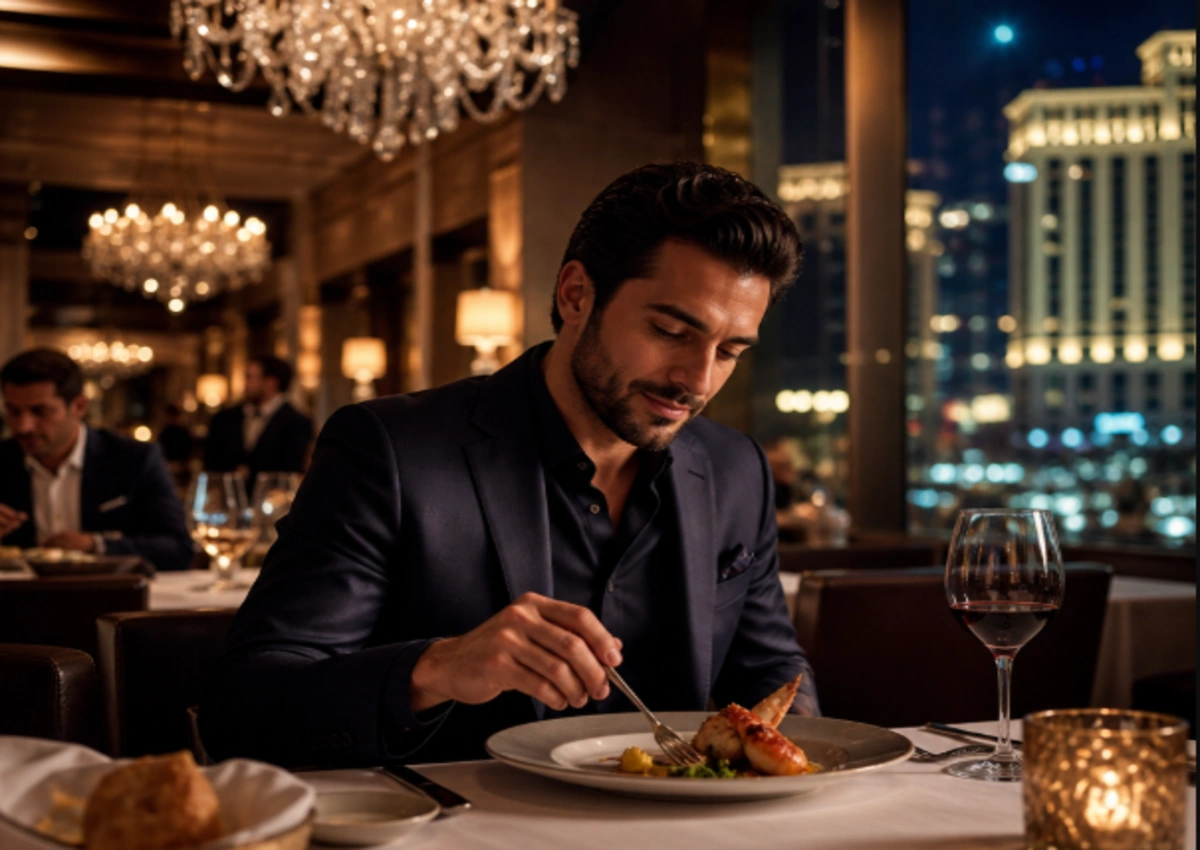
Walk into any celebrated restaurant in Las Vegas, and you will immediately understand that the room itself is part of the dish. Atmosphere is not an afterthought; it is a deliberate construction. Designers and restaurateurs collaborate for months, sometimes years, to ensure that the spatial experience complements the culinary vision. Ceiling heights, acoustic panels, table spacing, upholstery materials, and even the temperature of the ambient light all contribute to how a guest feels the moment they are seated.
In a city as visually stimulating as Las Vegas, the challenge for fine dining establishments is to create an interior that feels both distinctive and serene a sanctuary from the sensory overload of the Strip. The most successful restaurants achieve this by committing to a singular aesthetic identity, whether that means minimalist elegance, warm industrial textures, or lush botanical interiors that transport diners to another world entirely.
Seating Arrangements and the Psychology of Comfort
The arrangement of tables within a dining room is one of the most underappreciated aspects of restaurant design. Too close together, and guests feel exposed and rushed. Too far apart, and the room loses its energy and warmth. The finest establishments strike a careful balance, offering enough privacy for intimate conversation while maintaining the gentle hum of a room alive with shared experience. Banquette seating, in particular, has become a hallmark of upscale dining rooms because it provides a sense of enclosure and comfort that freestanding chairs simply cannot replicate. When paired with well-padded chairs and tables set at the correct height, the physical act of sitting down becomes its own form of welcome.
Lighting, Sound, and the Invisible Architecture of Ambiance
Lighting is perhaps the single most powerful tool in a restaurant designer’s arsenal. Warm, low-intensity lighting creates an immediate sense of intimacy and relaxation. It softens the edges of the room, flatters the faces of diners, and makes food appear more vibrant and appealing. In contrast, harsh overhead lighting, however practical, can strip a dining room of its magic entirely. The best Las Vegas restaurants layer their lighting thoughtfully: ambient light sets the overall mood, accent lighting draws attention to architectural features or artwork, and task lighting ensures that menus and plates are visible without disrupting the atmosphere.
Sound management is equally critical. A room that is too quiet can feel sterile and uncomfortable, making every conversation feel exposed. A room that is too loud becomes exhausting, forcing guests to raise their voices and ultimately diminishing the pleasure of the meal. Thoughtful acoustic design through the use of soft furnishings, sound-absorbing ceiling materials, and strategic speaker placement creates a soundscape that feels natural and enveloping without being intrusive.
Table Settings as a Form of Storytelling
Before a single dish arrives, the table itself communicates the restaurant’s values and intentions. Crisp linen, weighty silverware, handcrafted ceramic plates, and thoughtfully chosen glassware all signal a commitment to quality that extends beyond the kitchen. In the finest establishments, table settings are not merely functional; they are the opening chapter of a story that the meal will continue to tell. Seasonal flowers, custom-designed centerpieces, and even the choice of bread plate can reflect a chef’s philosophy and a restaurant’s identity. These details, often invisible to the casual observer, are felt deeply by guests who sense that every element of their experience has been considered.
Stubborn Seed Las Vegas: A Benchmark for Refined Dining
Among the restaurants redefining what it means to dine exceptionally well in Las Vegas, Stubborn Seed stands in a category of its own. Recognized for its commitment to culinary innovation and an atmosphere that balances sophistication with genuine warmth, this fine dining restaurant in Las Vegas offers guests an experience that is as memorable for its environment as it is for its food. The dining room is designed to feel both intimate and expansive, a rare achievement that speaks to the care invested in every aspect of the guest experience, from the moment of arrival to the final course.
How Culinary Technique Shapes the Dining Room Experience
The relationship between kitchen technique and dining room experience is more interconnected than many guests realize. Modern culinary methods, including precision temperature control and careful ingredient preparation, allow chefs to deliver dishes with a consistency and refinement that would have been impossible in earlier eras. Understanding how vacuum sealing has moved from a restaurant kitchen technique to a standard home food preservation tool illustrates just how profoundly professional kitchen innovations eventually shape the broader food culture. In fine dining, these techniques translate directly into the quality and presentation of every plate that reaches the table.
Las Vegas and the National Fine Dining Conversation
Las Vegas has earned its place in the national conversation about exceptional restaurants. Critics and food enthusiasts who once dismissed the city as a destination for excess rather than excellence have been forced to reconsider. The depth of culinary talent now operating within the city is remarkable, and the dining rooms that house these kitchens reflect an equal level of ambition and craft. For those seeking guidance on where American restaurants are pushing boundaries, resources like the New York Times guide to the best restaurants in America offer invaluable perspective on the landscape of contemporary fine dining, including the growing prominence of Las Vegas on that map.
Conclusion: Dining as a Complete Sensory Experience
The finest restaurants in Las Vegas understand something that separates truly great dining from merely good food: a meal is never just about what is on the plate. It is about the chair you sit in, the light that falls across the table, the sound of the room around you, and the sense that every detail has been arranged with your comfort and pleasure in mind. When all of these elements align when the atmosphere, the service, the table design, and the culinary vision speak in one coherent voice dining becomes something far more profound than sustenance. It becomes an experience worth traveling for, worth remembering, and worth returning to again and again.