
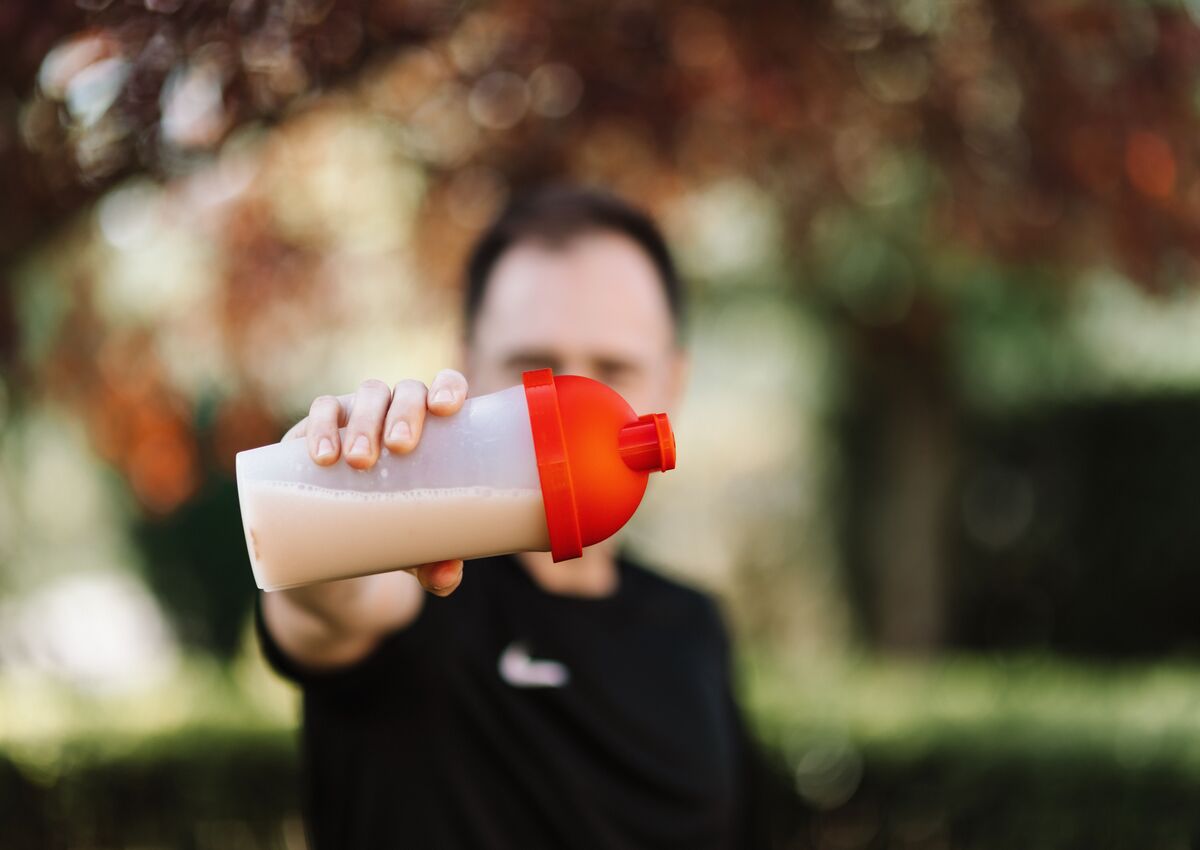

Plant-based protein powders have captured a massive share of the modern fitness market. Millions of athletes consume these supplements daily to build clean muscle. However, recent laboratory investigations reveal a troubling environmental reality. Many top-selling vegan proteins test remarkably high for toxic heavy metals. These findings challenge the perception of plant-based protein powders as inherently cleaner alternatives.
Widespread heavy metal contamination affects everything from pea isolate to hemp formulas. Plant-based powders contain significantly more trace lead than whey or beef alternatives. Active consumers are left wondering how clean eating became a health liability. The answer involves a complex mix of agricultural biology, historical soil contamination, and large-scale industrial manufacturing processes.
Modern Food Safety Challenges in Supplement Production
The dietary supplement industry operates under unique regulatory conditions in the United States. The Food and Drug Administration does not approve or test these formulas before retail distribution. This lack of pre-market oversight creates major safety gaps across global ingredient supply chains.
Because heavy metals are invisible to the naked eye, proactive testing remains the only definitive line of defense. Brand owners must track raw ingredients from the farm to the blending facility.
Why Testing Matters
A comprehensive food safety audit process is essential for supplement companies that want to protect their brand reputation. These evaluations identify supply chain vulnerabilities and detect contaminated raw crops early.
Strict internal testing standards help ensure finished batches stay below toxic contamination thresholds. Consumer advocacy organizations often use California Proposition 65 as a benchmark for supplement purity. Proposition 65 sets a maximum allowable daily lead exposure level of just 0.5 micrograms.
Brian Ronholm, Director of Food Policy at Consumer Reports, notes that the organization uses California’s benchmark because it is among the strictest standards available. He also points out that several protein powders meet that threshold. It shows that lower lead levels are achievable when manufacturers implement stronger sourcing, testing, and quality-control practices.
The Botanical Filter and Soil Bioaccumulation
Plants absorb water and essential nutrients through highly complex root structures. Unfortunately, plant roots cannot distinguish between beneficial minerals and toxic heavy metals. Decades of industrial manufacturing, leaded gasoline use, and historical agricultural pesticides left permanent trace residues in topsoil worldwide. Lead does not break down or disappear from soil over time.
Certain crops act as natural hyper-accumulators. Peas, hemp, soy, and rice absorb heavy metals from soil with remarkable efficiency. When manufacturers process these crops, they remove natural plant fibers and carbohydrates to isolate protein. As a result, the final powder often contains much higher lead levels than the raw crops did at harvest.
The Technical Importance of Industrial Cleaning and Sanitation
Manufacturing facilities can introduce secondary contamination risks when processing equipment is not maintained properly. Heavy metal dust from raw crop processing can settle in the crevices of industrial blending equipment. Over time, this residue can contaminate future production runs. Facilities need strict sanitation protocols to prevent cross-contamination.
Proper Documentation
Documenting daily cleaning procedures provides valuable validation during regulatory inspections. Fayette Industrial emphasizes that thorough documentation provides essential verification of a facility’s sanitary compliance. These records track daily cleaning schedules, chemical usage, and employee training logs. The verification data also directly supports HACCP compliance and satisfies FDA audit protocols.
Equipment Maintenance
Proper equipment maintenance prevents microscopic toxic buildup in commercial powder mixers. Specialized contract sanitation protocols help keep dry processing environments fully controlled. Clean equipment helps ensure uncontaminated plant batches do not absorb legacy metals during final packaging.
The Organic Paradox and Hidden Flavor Risks
Many wellness consumers assume a certified organic label guarantees absolute product purity. However, data tells a different story. An extensive Consumer Reports investigation analyzed 23 top-selling protein powders and shakes. Laboratory data showed that more than two-thirds of the products contained more lead in a single serving than the safe daily limit of 0.5 micrograms.
Why Organic Products Can Still Test Higher
Some products exceeded that safety threshold by more than ten times. Surprisingly, certified organic plant protein powders often showed higher heavy metal levels than conventional alternatives. In testing cited by the Texas Health Resources, organic protein powders contained three times more lead and twice as much cadmium as non-organic products.
Organic certifications restrict the use of synthetic chemical pesticides. However, organic standards do not address historical soil pollution from previous generations. Organic farmers also frequently use natural rock phosphates and composts. These natural fertilizers can contain trace lead deposits.
Flavors Add More Risk
Product flavoring creates another source of heavy metal exposure for consumers. The Consumer Reports study found that lead levels in plant-based products averaged nine times those found in dairy-based proteins. Chocolate-flavored proteins carry a higher contamination risk due to cacao sourcing.
Cacao trees are well-known biological hyper-accumulators. These tropical trees absorb cadmium and lead directly from South American and African soils. The Consumer Reports market analysis found that chocolate-flavored plant protein powders often carry double the heavy metal content as standard vanilla varieties.
Biological Filtration Differences in Animal Proteins
Athletes often wonder why dairy-derived whey protein powders produce cleaner laboratory results. Dairy cows consume large amounts of grass, grain, and water every day. These food sources often contain trace environmental contaminants. However, the cow’s internal organs function as an advanced biological filtration system.
The animal’s metabolism processes heavy metals and stores toxins away from the milk supply. The cow’s body isolates ingested lead and locks it inside its bone matrix. This process is known as skeletal sequestration. Because the lead remains trapped within bone tissue, it cannot pass into the milk. Dairy whey protein isolate contains lower levels of environmental heavy metals because of this multi-stage filtration process.
Testing confirmed that while half of the dairy powders showed trace contamination, they rarely exceeded daily limits. By contrast, plant isolates lack an active metabolism that can filter heavy metals before processing. Broader industry testing also found that plant-based protein powders contained roughly three times more lead than whey-based alternatives.
The Health Impacts of Chronic Low-Dose Lead Exposure
Consuming fractional microgram amounts of lead in a daily post-workout shake may seem insignificant. However, public health agencies warn that no amount of lead exposure is completely safe. Lead is a cumulative toxin. It can remain in organs, blood, and bones for decades. The human body has no efficient mechanism for eliminating elemental heavy metals.
The risks associated with chronic exposure are significant. Long-term low-dose lead exposure has been linked to kidney damage, immune system suppression, and elevated blood pressure in adults.
Actionable Purchasing Strategies for Fitness Consumers
You do not need to abandon your fitness goals to reduce heavy metal exposure. Small adjustments to your purchasing habits can help protect your health.
Look for Independent Testing
Choose protein powders that carry recognized third-party verification seals. Organizations such as NSF International test products for heavy metals and label accuracy. Look for the NSF Certified for Sport badge when evaluating products.
Ask for a Certificate of Analysis
Consumers should also demand greater transparency from supplement manufacturers. Contact your preferred brand and request a Certificate of Analysis for your specific product batch. This document contains laboratory measurements that show exact lead concentrations and other testing results.
Rotate Protein Sources
Avoid relying on the same pea or rice protein product for years. Instead, rotate among different protein sources, including:
- Hemp protein
- Pumpkin seed protein
- Whey protein isolate
- Other independently tested protein products
This approach may help reduce repeated exposure from a single ingredient source.
Prioritize Whole Food Proteins
Whole food protein sources should remain the foundation of a healthy diet. Consider emphasizing:
- Wild-caught fish
- Pasture-raised eggs
- Organic lentils
- Other minimally processed protein foods
Protein powders work best as supplements rather than permanent meal replacements.
Frequently Asked Questions
Can you filter or wash trace lead out of a plant protein powder?
No. Consumers cannot remove heavy metals from manufactured plant protein powders at home. Lead becomes bound to plant tissue during the crop’s growth cycle. Buyers must rely on third-party testing and verified manufacturing practices when selecting products.
Why do certified organic plant proteins often test higher for heavy metals?
Organic farms often use natural rock fertilizers and composts that contain trace amounts of lead. In addition, organic certification standards regulate current farming practices. They do not address the historical industrial contamination already present in the soil. As a result, organic crops may continue absorbing legacy metals through their root systems.
Is dairy-based whey protein completely free of lead contamination?
No. Whey protein is not completely free of heavy metals. However, dairy proteins generally contain lower concentrations than many plant-based alternatives. A cow’s metabolism filters and sequesters lead within bone tissue rather than transferring it into milk.
How can consumers determine whether a supplement brand is safe?
Start by checking product packaging for independent testing certifications from organizations such as NSF International or USP. You can also contact the manufacturer directly and request a Certificate of Analysis for your batch number. Reputable brands typically provide these laboratory reports and use them to demonstrate product quality and purity.
Key Statistics
| California Proposition 65 Threshold | Sets a strict maximum allowable daily lead exposure level of 0.5 micrograms. |
| Daily Limit Violations | More than two-thirds of tested products exceeded the 0.5 microgram limit in one serving. |
| Organic versus Non-Organic Contamination | Organic powders contained 3 times more lead and twice as much cadmium as non-organic products. |
| Plant versus Dairy Lead Average | Lead levels in plant-based products averaged 9 times those found in dairy-based proteins. |
| Chocolate Flavor Risk Elevation | Chocolate-flavored plant protein powders often carry double the heavy metal content of vanilla varieties. |
| Broader Industry Lead Ratio | Plant-based protein powders contained roughly 3 times more lead than whey-based alternatives. |
Related Post: How Effective Is Methocarbamol for Back Pain and Nerve Relief?
Plant-based protein powders are not automatically free from contamination risks. Trace lead and other heavy metals often enter through soil, then concentrate during plant growth and protein processing.
Manufacturing and flavoring choices can add further variability in exposure levels. At the same time, testing data shows that lower-contaminant products do exist, which makes sourcing and quality control critical.
Consumers do not need to avoid protein powders entirely. Instead, they should focus on verified testing, transparent brands, and balanced protein sources. A more informed approach helps reduce long-term exposure while still supporting fitness and nutrition goals in a practical way.