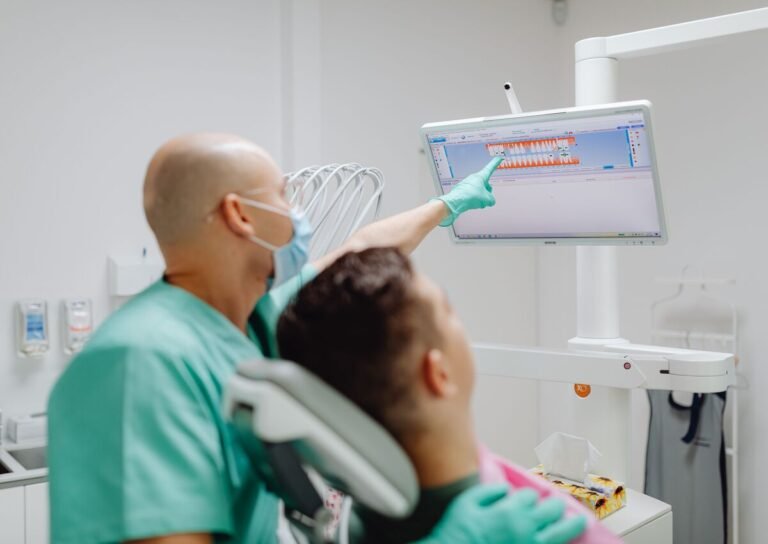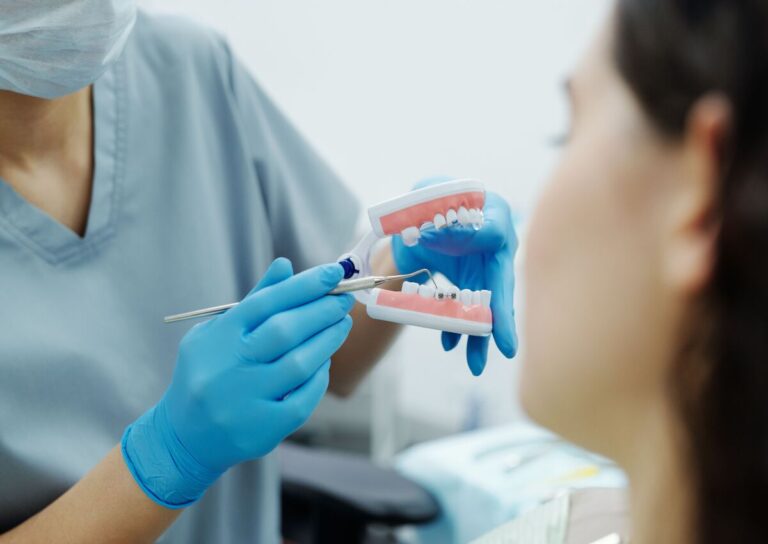


One person needs a cleaning, another has braces adjustments every few weeks, and someone else keeps putting off a crown because the school calendar, work schedule, and budget never seem to line up. That is how dental care often feels in a busy home, especially when coordinating visits with a family dentist in Lake St. Louis. It is not just about oral health. It is about keeping several people on track at once, each with different needs, different urgency, and different tolerance for one more appointment on the calendar.
This is where a family dentist changes the experience. Instead of treating each visit like a separate event, family dental care brings those moving parts into one plan. You get a clearer view of what needs attention now, what can wait a little, and how to space treatment in a way that protects health without overwhelming your household.
Family dental care creates order when every person is on a different schedule
Children, teens, adults, and older relatives rarely need the same kind of care at the same time. A younger child may only need routine checkups and fluoride. A teenager may be tracking wisdom teeth, sports mouthguards, or orthodontic care. An adult may need gum treatment or a filling that was easy to ignore until it started hurting. An older family member may be watching for dry mouth, worn teeth, or dentures.
When care is split across different offices, details get lost. One office recommends a follow-up in three months; another suggests six. One child has a habit that raises cavity risk, while a parent has early gum disease and needs closer monitoring. Without one place seeing the bigger picture, treatment tends to become reactive. You deal with the toothache, the broken retainer, or the missed cleaning after it turns into a problem.
A family practice helps prevent that drift. The office can track recall visits, treatment priorities, and age-related changes across the household. That makes it easier to combine appointments, sequence treatment, and avoid the common cycle of delay, stress, and higher costs later.
Managing multiple treatment timelines reduces stress and prevents small issues from growing
You probably do not need another lecture about prevention. You need a plan that works in real life. Research from the CDC shows that regular prevention and early care matter because many oral health problems can be reduced with routine habits and professional support. Their guidance on oral health prevention backs up what families already learn the hard way. Small issues are cheaper, easier, and less disruptive when they are caught early.
The problem is timing. A cavity that could have been handled during a school break turns into an urgent visit in the middle of exam week. A parent postpones periodontal care because a child’s orthodontic visits keep taking priority. A spouse ignores jaw pain because there is no room left in the family budget that month. None of this happens because people do not care. It happens because households triage.
Household dental scheduling works better when one provider helps map treatment by urgency, cost, and recovery time. A dentist may suggest doing preventive visits together, spacing restorative work over several months, and timing more involved procedures around travel, sports seasons, or insurance benefit periods. That kind of planning lowers the chance that one person’s delayed care becomes everyone’s emergency.
Coordinated family oral health care supports better decisions across generations
Oral health patterns often run through families. Diet, routines, fluoride exposure, dry mouth from medications, nighttime grinding, and missed checkups tend to affect more than one person in the home. National data from the CDC’s selected oral health findings show that tooth decay and gum disease remain common across age groups. The National Institute of Dental and Craniofacial Research also outlines in its Oral Health in America summary how oral health is tied to overall health, daily function, and quality of life.
That matters in a family setting because coordinated care is not only convenient. It helps you spot patterns sooner. If several family members are getting cavities, the issue may be home care habits, sugary drinks, or inconsistent recall visits. If gum inflammation keeps showing up in adults, that points to a need for closer periodontal support. A good family dentist notices those trends and adjusts the plan before the cycle repeats.
Practical differences between fragmented care and a coordinated family dentist
| Situation | Separate Dental Offices | Coordinated Family Dentist |
| Routine cleanings | Different schedules, more trips, more missed recalls | Visits can often be grouped for fewer disruptions |
| Urgent treatment | History may be scattered across providers | Existing records help the office act faster |
| Budget planning | Costs are harder to compare across timelines | Treatment can be staged by urgency and insurance timing |
| Tracking risk patterns | Family-wide habits are easier to miss | Shared patterns in decay, gum health, or wear are easier to spot |
| Life stage changes | Transitions between pediatric, teen, and adult care may feel disconnected | Managing dental care for the whole family becomes more consistent over time |
Clear steps help you regain control of family dental treatment timelines
List every family member’s current dental needs. Write down who needs preventive care, who has unfinished treatment, and who is overdue. Include anything that has been postponed because of cost, fear, or scheduling. You need the full picture before you can fix the calendar.
Ask for a phased treatment plan. A strong dental office can separate care into now, soon, and later. That helps you protect urgent needs first, then handle the next layer without guessing. It also makes insurance use and monthly budgeting easier to manage.
Bundle what can be bundled. If two or three family members can come in on the same day, take it. If one person needs follow-ups every few months, line up another person’s preventive visit around that schedule. This is where a general family dentist often saves households the most time.
- Related Post: How General And Cosmetic Dentists Decide When A Smile Concern Should Simply Be Monitored
Steady planning makes family dentistry feel manageable again
You do not need perfect timing, and you do not need to solve every dental need in one month. You need a plan that matches real life, protects the most urgent problems first, and keeps the rest from slipping through the cracks. When one office helps coordinate care across ages and treatment stages, the load feels lighter, and the next step is easier to see.
If your household is juggling checkups, restorative work, or long-term treatment all at once, schedule a visit with a family dentist and ask for a timeline that fits your routine.